Carbon steel pruning shears are super sharp right out of the box and hold their edge really well, which makes them great for getting clean cuts through thick stems and tough plant fibers. The downside? They tend to rust pretty easily so gardeners need to wash and oil them after every use. Stainless steel versions don't rust nearly as much, making them perfect for those who garden near the coast or in damp areas. But they aren't quite as sharp initially and won't stay razor sharp for as long as carbon steel will. Chrome plated steel tools sit somewhere in between these extremes. The chrome coating gives better protection against rust than regular carbon steel gets, yet still keeps most of that excellent cutting power. For folks wanting something reliable without too much hassle, this might be the sweet spot. How long any pair lasts really comes down to how they're used and maintained. With good care, carbon steel can last years. Stainless steel holds up even when neglected sometimes. And chrome plated models usually give decent service life without breaking the bank.
Blades coated with titanium nitride (TiN) really boost performance because they make surfaces about 80% harder. This means far fewer nicks happen during those tough jobs where we cut through woody stems all day long. The smoothness of TiN coatings cuts down on friction too, so sap doesn't stick to blades as much which keeps them from getting dull and allows for better cutting action. All these features work together to keep blades sharp for longer periods. Shears with this coating stay at their best edge condition approximately three times longer compared to regular ones without any treatment. Plus there's added protection against rust and corrosion. Garden professionals who handle big operations will notice real differences here. They spend less time sharpening tools, save money over years of maintenance costs, and most importantly get cleaner cuts every single time. Clean cuts matter a lot for healthy plants and efficient workflows across entire nurseries or farms.

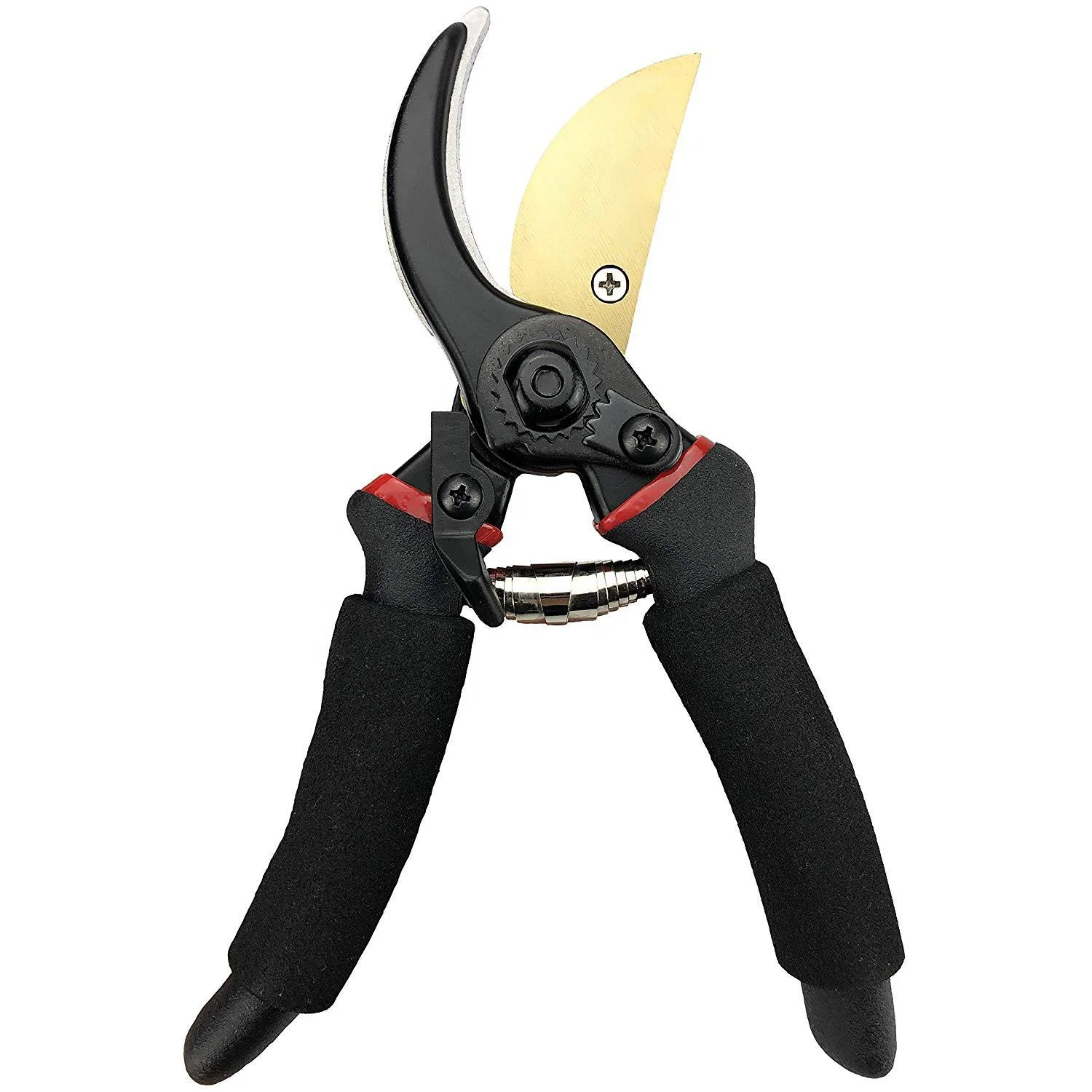
Bypass pruning shears work kind of like fancy scissors, featuring two curved blades that slide by each other to create those neat angled cuts. The way these blades cut through plant material without squishing the internal structures helps wounds heal quicker and reduces chances of disease getting in. Some garden experiments have found that plants tend to bounce back about 30 percent faster when they get clean bypass cuts rather than being torn or crushed. On the flip side, anvil shears operate differently, using one sharp blade that presses down onto a solid metal plate. These are great for hacking away at dead branches or really thick, dry wood (around three quarters of an inch usually), but the pressure tends to mash up living tissue and mess with cells. Garden experts point out that anvil cuts actually damage around 40% more cells in fresh green growth, which might let diseases slip inside. Know your tools! Use bypass shears for delicate stuff like roses, fruit trees, and ornamental plants where precision matters. Save the anvils for tougher jobs with dried out hydrangea stems or old shrub wood that's already past its prime.
The ratchet system in these pruning shears works like a series of gears that multiply force, cutting down on how hard someone needs to grip by as much as 70% during each squeeze. When the user presses down, the blade moves forward just a little bit at a time and stays locked there until released. This means people can tackle tough branches almost an inch thick without having to keep squeezing all the way through. For folks dealing with arthritis issues, carpal tunnel problems, or simply weaker hands from age, this makes a huge difference. They get to prune plants accurately and carefully something regular garden clippers just cant handle. The handles are specially designed to spread out the pressure so no one spot gets too sore. Tests show these ratcheting mechanisms stay consistent and accurate even after thousands of cuts, which explains why theyre showing up in both community gardens for seniors and commercial nurseries alike. Plants benefit too since the cuts remain clean and steady throughout the whole process.

Good handle design works with how our hands naturally function. When handles are shaped to fit the contours of the hand, it helps keep wrists straight while doing repetitive tasks, which takes some of the pressure off tendons and joints. Many tools now come with textured rubber or special TPE grips that stay grippy even when they get wet or covered in sap, so workers don't have to squeeze so hard to hold onto them. The adjustable parts let people with smaller hands (like women in the lower percentiles) and bigger hands (men in upper percentiles according to that 2022 body measurements study) find comfortable positions for their fingers and get better control. Some handles actually rotate slightly, spreading out where pressure builds up on the hand instead of creating painful spots after long work periods. All these little improvements together can cut down on hand tiredness by around 30% compared to old school tools without ergonomic features, according to research published in gardening equipment journals last year.
Inside these pruning shears sits a handy return spring that pops them open again after every cut, so there's no need to manually spread the handles apart each time. This design cuts down on how hard someone needs to push when cutting, maybe around 40% less effort actually. Makes all the difference when trimming those big hedges or working through thick vines where people tend to get tired fast. The counter blade, usually made from solid high carbon steel, takes quite a beating but stays strong without bending out of shape. It keeps lining up perfectly with the main cutting edge even after hundreds upon hundreds of snips. Combine this easy operation with such durable construction and what do we get? Tools that keep performing well day after day, which matters a lot for folks with sore hands or anyone who wants their gardening gear to last through many seasons of work.

What makes premium pruning shears stand out is their build quality. These tools are made from either hardened steel or high quality aluminum alloys that hold up well against stress, wear down slower, and maintain their shape over time. Budget versions tend to fall apart at the seams pretty quickly with loose pivots or blades that don't line up right. The better ones have stronger bolts holding everything together and springs that won't snap after repeated use, which is why cheaper shears often fail first according to Garden Tech Institute research last year. When cutting branches about an inch thick, professionals find these top models stay sharp much longer than cheap alternatives because they come with special coatings that fight rust and handles designed to absorb shocks during heavy use. Sure, they cost more initially, but most last around eight to ten years compared to just one or two for the throwaway kinds. Plus, many models let users replace worn parts instead of buying whole new shears, making them something gardeners can keep repairing season after season rather than tossing aside every few months.
Maintenance really starts right after using the tool. After cutting through plants, take a few minutes to wipe down those blades with a cloth soaked in warm soapy water. This gets rid of sticky sap, resin buildup, and all sorts of debris that can cause problems later on. The cleaning process helps prevent rust from forming and stops plant diseases from spreading between cuts. Once a month, it's good practice to apply some light machine oil to the moving parts and blade surfaces. This creates a protective layer that keeps things running smoothly when making those important snips. Blades need sharpening roughly every three to six months depending on how much they get used. Grab a fine grit sharpening stone and work at around a 20 degree angle to bring back that sharp edge which makes all the difference for clean cuts without damaging surrounding tissue. When putting away the shears, find a dry spot where humidity isn't an issue. Hanging them up or storing in breathable cases works best to keep moisture away. Gardeners who follow these basic steps tend to see their pruning tools last three times longer than folks who neglect regular care, as observed in various long term gardening experiments across different regions.
Carbon steel pruning shears are preferred for their sharpness and edge retention, though they require regular maintenance to prevent rust.
Titanium nitride coatings increase hardness, reduce friction, and extend blade lifespan, making pruning shears more efficient and durable.
Ergonomic designs improve comfort and reduce hand fatigue by fitting handle contours to natural hand shapes and including textured grips.
Ratchet pruning shears require less grip strength, making it easier for individuals with arthritis or limited hand strength to use them effectively.
To maintain pruning shears, regularly clean, oil, sharpen, and store them properly to prevent rust and maintain performance.
 Hot News
 EN
EN