
 EN
EN
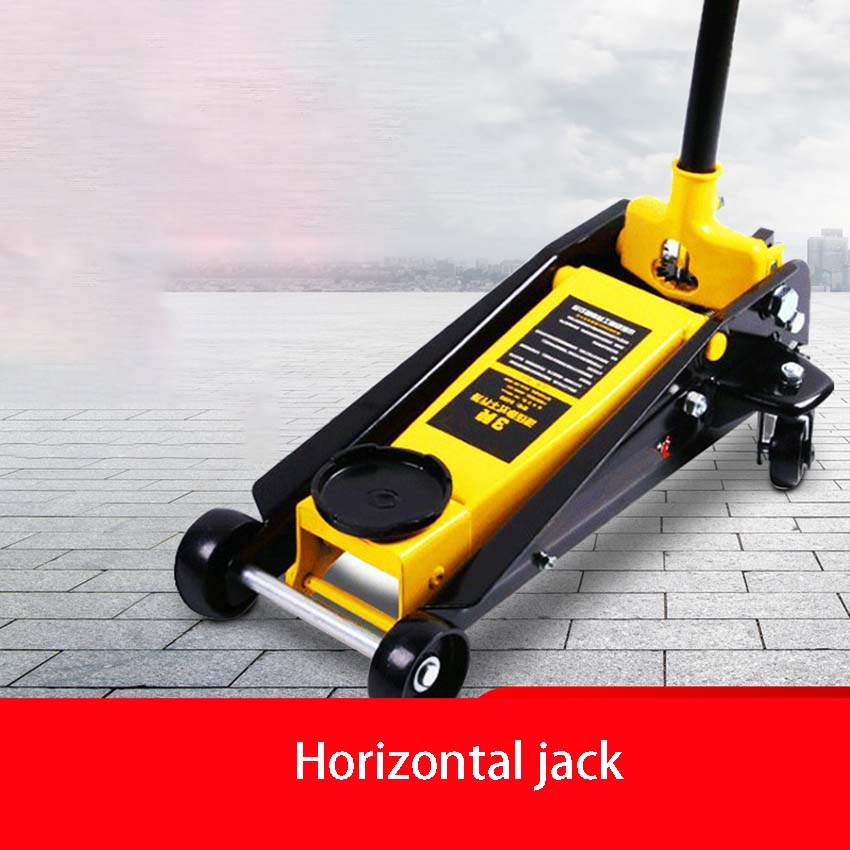
Understanding Car Jack Types and Their Ease of Use
What Is a Car Jack and How Does It Work in Emergencies?
Car jacks are those handy little devices people use when they need to lift up their cars for changing tires or doing quick fixes under the hood. They work differently from those big garage lifts we see at repair shops. Manual jacks have this crank that turns around and around until the car lifts up, whereas hydraulic ones pump fluid through internal chambers to create pressure. That's why many newer vehicles actually come with what's called a scissor jack already installed somewhere in the trunk area. The 2023 AAA report on roadside help showed something interesting too: around seven out of ten folks trying to fix flat tires end up using whatever tool came with their car originally. Makes sense really since nobody wants to carry extra gear when space is so limited inside a vehicle.
Scissor Jacks: Design, Operation, and Suitability for Everyday Drivers
Scissor jacks use interlocking metal arms that expand vertically when turned with a lug wrench. Key benefits include:
- Lightweight design (5–8 lbs)
- Minimal maintenance needs
- Compatibility with sedans and crossovers
Though they require 15–30 full rotations to reach full height, their simplicity suits occasional use. However, their narrow base limits stability on uneven terrain, making proper setup—such as using wheel chocks and engaging the parking brake—essential for safety.
Hydraulic vs. Bottle Jacks: Comparing Efficiency and Practicality
| Feature | Hydraulic Jack | Bottle Jack |
|---|---|---|
| Operation | Pump handle lifts fluid | Vertical piston movement |
| Lifting Speed | 3–5 pumps per inch | Slower per-pump action |
| Best For | Routine maintenance | Heavy-duty trucks/SUVs |
| Storage | 18" base width | Compact cylindrical form |
Hydraulic jacks reduce physical effort by up to 80% compared to manual models, according to 2024 mechanical safety guidelines. While efficient, their larger footprint makes them less ideal for emergency kits. Bottle jacks offer high weight capacity (up to 12 tons) but demand precise placement under reinforced vehicle points.
Step-by-Step Guide to Safely Lifting a Vehicle with a Car Jack
Proper Positioning of the Car Jack Under the Vehicle
Find a flat spot to park and make sure the parking brake is set properly. Look for the designated lift points on the car's frame or pinch welds. These spots are usually indicated by small notches or special markings from the factory. Put the jack right underneath these strong areas so the jack saddle makes good contact with what it's supposed to lift. Before raising anything, put wheel chocks on the other side of the car and check that the ground is stable enough. Don't ever try putting the jack under parts like suspension pieces, oil pans, or body panels since this can cause serious damage or even complete failure when lifting.
Lifting and Lowering the Vehicle: A Clear Sequence for Safety
To get started, give the jack handle a good turn clockwise, making sure each rotation is complete but not rushed. Lift it just enough so the load clears the ground by about an inch or two at most. After every third twist, take a moment to check if everything looks aligned properly and stable underneath. Safety first folks keep hands, feet, and any other body parts well away from moving parts while working on this. When time comes to bring things back down, simply turn the handle in the opposite direction slowly. If dealing with a hydraulic model specifically, remember to let off pressure through the control valve bit by bit instead of all at once. Keep eyes peeled the whole time as things come down since sudden drops can happen if something goes wrong during descent.
Common Mistakes During Jack Operation and How to Avoid Them
- Improper Surface Selection: Working on gravel or slopes increases tip-over risk by 40% (National Safety Council 2023). Stabilize soft ground with plywood or metal plates.
- Over-Lifting: Excessive height strains the jack and destabilizes the vehicle. Lift only until the tire clears the ground.
- Skipping Stands: 68% of DIYers work under vehicles supported solely by jacks. Always use jack stands rated for your vehicle’s weight to prevent collapse.
Identifying Correct Jacking Points Across Vehicle Types
Using the correct jacking points prevents structural damage and ensures safe lifting. OEM-designated zones are engineered to support concentrated loads—following them avoids 92% of improper jacking-related failures, according to a 2025 vehicle safety analysis.
Locating Manufacturer-Recommended Jacking Points to Prevent Damage
Automakers specify lifting locations in owner’s manuals, often indicated by notched seams or triangular markings along frame rails. Consult your vehicle’s 2025 Lifting Points Guide for model-specific diagrams covering 2000–2025 vehicles. Guessing can result in:
- Crushed rocker panels requiring $800+ repairs
- Damaged fuel lines or power cables
- Misaligned suspension systems
Jacking Point Variations in Sedans, SUVs, and Trucks
Sedans rely on pinch welds, trucks on frame rails, and SUVs often combine both methods:
| Vehicle Type | Typical Jacking Point Location | Weight Capacity |
|---|---|---|
| Compact Sedan | Pinch weld behind front wheels | 1.8–2.4 tons |
| Full-Size SUV | Boxed frame sections | 3.5–5 tons |
| Heavy-Duty Truck | Axle tubes or reinforced tow hooks | 8–12 tons |
Using Owner’s Manual Guidance for Safe and Effective Jack Placement
Electric vehicles introduce new constraints—67% of 2024 EV models prohibit lifting near battery casings due to thermal sensor sensitivity. Always refer to the manual’s emergency section, where 41% of current models now include QR codes linking to real-time jacking tutorials via manufacturer apps.
Essential Safety Precautions Before Using a Car Jack
Preparing Your Vehicle and Environment for Safe Jacking
Choose level, paved surfaces to minimize imbalance—23% of roadside accidents occur on unstable terrain (NHTSA 2024). Clear debris from the area and gather essential tools: jack stands, chocks, and a flashlight if working at night. Before starting:
- Confirm the jack’s weight rating matches your vehicle (check doorjamb specs)
- Inspect for rust, wear, or hydraulic leaks
- Ensure adequate lighting and visibility
Securing the Vehicle: Wheel Chocks and Parking Brake Use
Place chocks against both front and rear tires on the non-lifted axle to prevent rolling in either direction. Combine this with a fully engaged parking brake. Test stability by gently rocking the vehicle before applying lift force.
Evaluating Ground Stability to Prevent Accidents During Tire Change
Asphalt and concrete provide 83% better load distribution than dirt or gravel (Transportation Safety Institute 2024). On soft ground, place a rigid board or steel plate under the jack base to spread pressure. Monitor for sinking or shifting throughout the process.
Real-World Usability: Are Car Jacks Truly Easy for Drivers?
User Experience: Challenges for First-Time Operators in Emergencies
First time tire changes along the side of the road remain a nightmare for countless drivers, mostly because nobody really wants to deal with it until forced to. Recent research into how easy cars are to operate shows something troubling - just over half (that's 56%) of drivers today can figure out where all the important buttons are without guessing. Back in 2015, nearly four out of five people could navigate their dashboards intuitively. Car manufacturers keep adding features that make vehicles look high tech but actually complicate basic functions. And this matters when emergencies happen. The latest AAA survey reveals almost a third (34%) of drivers haven't even touched their car's jack until they absolutely had to fix a flat tire somewhere remote. That kind of unpreparedness puts everyone at risk during breakdowns.
Physical Effort Involved: Leverage, Torque, and Strength Requirements
Trying to lift a mid size SUV using a standard scissor jack means turning it around 40 to 60 times straight through, which takes quite a bit of elbow grease. These jacks are supposed to work for most people, but according to an ergonomic study from last year, folks who stand under five feet four inches tall have trouble getting enough leverage. About one out of every five short drivers ends up struggling with incomplete lifts because they just can't twist hard enough. While hydraulic options definitely take pressure off the back, they come with their own problems. They're heavier and bigger than regular jacks, making them harder to store properly in a garage or trunk space when not in use.
Case Study: Performing an Emergency Tire Change on a Busy Highway
In a highway safety study from 2022, researchers watched what happened when 150 people tried changing tires while realistic traffic sounds played around them. Drivers who relied on scissor jacks took an average of 23 minutes to complete the job, which is about 44 percent slower compared to when they worked in quiet environments without interruptions. About one out of every six participants simply gave up halfway through because they got distracted by all the noise, couldn't find where to place the jack properly, or just felt overwhelmed. These results really point to something important though: practicing these kinds of tasks before an actual emergency makes all the difference. Being able to spot those official jack spots fast becomes critical when someone's stuck roadside with no time to spare.
Why Choose Us
FAQs
What are the different types of car jacks mentioned in the article?
The article discusses scissor jacks, hydraulic jacks, and bottle jacks.
How can one ensure safe lifting of a vehicle?
By using proper jacking points, engaging the parking brake, using wheel chocks, and ensuring ground stability.
What mistakes should be avoided when using car jacks?
Avoid improper surface selection, over-lifting, and skipping the use of jack stands.
How does the user experience affect the use of car jacks in emergencies?
First-time operators may face challenges due to unfamiliarity with their vehicle's features and jacking procedures.
What safety precautions should be taken before using a car jack?
Choose stable ground, gather essential tools, and inspect the jack for any signs of wear or damage.
Table of Contents
- Understanding Car Jack Types and Their Ease of Use
- Step-by-Step Guide to Safely Lifting a Vehicle with a Car Jack
- Identifying Correct Jacking Points Across Vehicle Types
- Essential Safety Precautions Before Using a Car Jack
- Real-World Usability: Are Car Jacks Truly Easy for Drivers?
- Why Choose Us
-
FAQs
- What are the different types of car jacks mentioned in the article?
- How can one ensure safe lifting of a vehicle?
- What mistakes should be avoided when using car jacks?
- How does the user experience affect the use of car jacks in emergencies?
- What safety precautions should be taken before using a car jack?