
 EN
EN
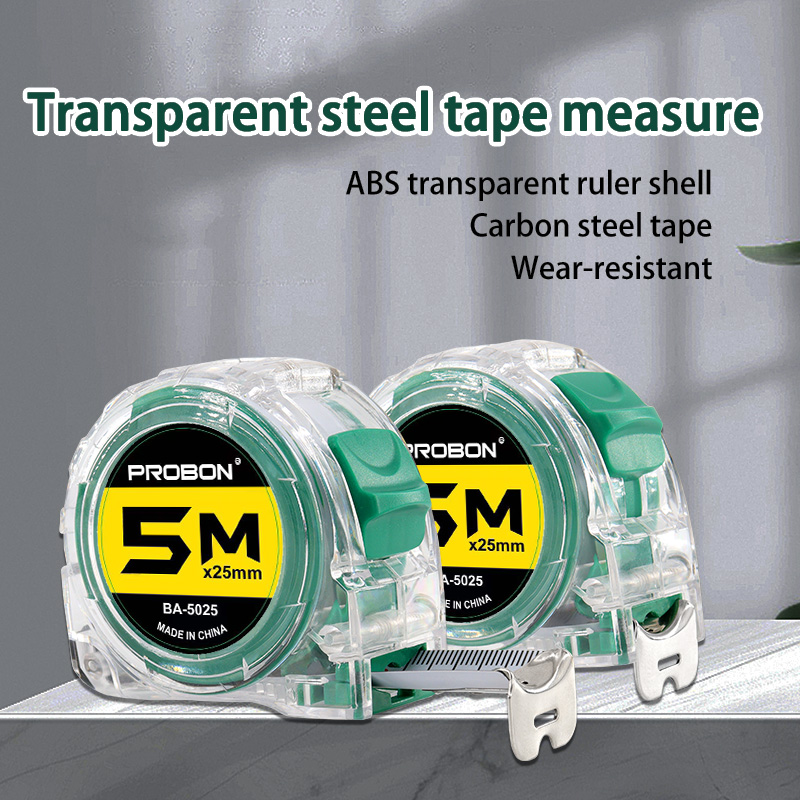
Tape Measure Durability Standards for High-Volume Wholesale Distribution
Steel Blade Composition, Coating Tech, and ANSI/ISO Compliance for Resale Integrity
For those dealing with large volumes of tape measures, the blade material makes all the difference. Carbon steel blades need to be hardened between 55 and 60 HRC to stand up against bending during daily use on job sites. Many manufacturers now apply advanced polyester coatings that cut down on rust formation by around 80% when compared to regular uncoated blades. This means tools last much longer even when exposed to moisture from outdoor work environments. Meeting both ANSI and ISO 9001 standards is critical because it guarantees measurements stay accurate within 1/32 inch across 10 feet of tape length. Contractors simply won't accept anything less than this level of precision in their kits. Getting third-party verification on these specs isn't just good practice either. It actually saves money long term by reducing warranty issues, particularly important for the 25 foot plus tapes commonly seen in big commercial building projects where small errors can lead to major problems later on.
Housing Materials: ABS vs. Reinforced Nylon in Warehouse & Jobsite Handling Environments
Acrylonitrile butadiene styrene or ABS plastic makes great housing for those cheap 16 foot DIY measuring tapes because it's light and affordable. But when it comes to real toughness, reinforced nylon stands out since it can take three times the impact force according to ASTM testing standards. The difference matters a lot in warehouse settings where forklifts might crush pallets or on construction sites where tapes often get dropped from ladders. Contractors know this well too. Recent industry data indicates around 7 out of 10 professionals go for nylon casings on their 35 foot plus professional grade tapes even though they weigh about 15 to 20 percent more than ABS options. These nylon models last roughly five years compared to just 18 months for ABS versions. Plus, nylon doesn't break down as easily when exposed to chemicals or sunlight, which explains why stores see fewer returns from customers in warmer southern regions where UV exposure is constant.
Professional-Grade Tape Measure Features That Boost Distributor Margins
Lock Mechanisms and Smooth Retraction Systems Preferred by Contractor Buyers
Most contractors swear by tape measures equipped with those dual stage locks that stop the blade from retracting when working overhead. These locking mechanisms cut down on measurement mistakes quite a bit actually around 32% according to some field tests we've seen. The springs inside these tools are pretty impressive too. They come with nylon coating on the coils which keeps them winding smoothly even after thousands of cycles. We're talking about over 10,000 times before any real wear sets in, so breakdowns become much less common. From what distributors tell us, they make about 22% more profit on certain models. Why? Because workers love the thumb-activated brakes that let them operate one-handed, plus there's this tough housing that survives drops from eight feet high. And let's not forget the ergonomic handles that just feel better in the hand after doing hundreds of measurements all day long.
Laser-Etched Markings vs. Molded Graduations: Lifespan, Warranty, and Perceived Value
Laser etched graduations stay readable at around 98% even after being used every day on construction sites for 18 months. That's way better than molded markings which tend to wear off fast when exposed to rough environments. The longer-lasting nature actually cuts down on warranty expenses. Most manufacturers will back their laser-etched products for five years compared to just one year for those with molded markings. From what distributors report, tape measures featuring these etched blades typically sell for about 15 to 20% more than standard ones, but they end up returning far fewer units since customers don't complain as much. Plus, the black on yellow contrast makes reading measurements quicker, particularly when working in dim lighting situations where visibility matters most.
Wholesale-Specific Packaging, Certification, and Logistics Requirements
Hardware distributors know their tape measure packaging needs to survive the rough treatment of warehouse stacking and shipping mishaps while still making smart use of limited storage space. Boxes made from reinforced corrugated material that meet ISTA 3A drop test standards can actually reduce replacement costs caused by broken products during transport by around 18%, based on recent logistics reports from last year. Many distributors are now pushing for eco-friendly alternatives to traditional plastic blister packs. These new materials not only save about 34% of valuable shelf space but also come with tamper-evident features that help prevent shoplifting incidents. Getting ISO 9001 certified means manufacturers maintain consistent quality throughout their production runs, something that matters a lot when dealing with bulk orders. Meanwhile, sticking to GS1 barcode standards makes it possible to track inventory automatically rather than manually counting items. When companies optimize how they stack pallets in warehouses, they get better cube utilization rates. And those RFID tags on shipments? They really speed things up in busy distribution centers where workers receive hundreds of packages daily, cutting down receiving times by roughly 40% compared to older methods.
Contractor Demand Trends Shaping Tape Measure SKU Strategy for Distributors
2023–2024 Sales Data: Top-Selling Lengths, Blade Widths, and Price Bands by Channel
Looking at recent sales figures, it's clear that contractors mostly go for either 25 or 30 foot tape measures these days, which make up around two thirds of all professional toolkits according to the Industry Tools Report from last year. Framers tend to stick with one inch blades because they hold up better when working with heavy materials, whereas electricians and HVAC folks generally opt for three quarter inch versions since they're lighter and easier to handle. When it comes to pricing, there's quite a difference across different markets. Big box stores typically sell most units between twelve and eighteen dollars for basic models, while specialty shops focus on the twenty two to thirty dollar range where customers want those extra tough blades. Online sales have really taken off too, growing by forty two percent for those longer thirty five foot tapes with special nylon coatings. Many contractors now look specifically for lifetime guarantees on their locking mechanisms, something that has actually helped boost profits for distributors selling ANSI certified products by nearly a quarter. And speaking of durability, more than half of professionals are switching to tapes with laser etched markings instead of traditional methods. These markings just last longer in dusty construction sites where regular grooves would wear away much faster.
FAQ
What materials are most durable for tape measures?
Carbon steel blades with advanced polyester coatings and reinforced nylon housings are recommended for durability.
Why is third-party verification important?
Third-party verification ensures accurate measurements and reduces warranty issues, which is crucial for high-volume distribution.
How do laser-etched markings compare to molded graduations?
Laser-etched markings are more durable and have a longer lifespan, reducing warranty issues and improving perceived value.
What packaging standards should be considered for tape measures?
Reinforced corrugated materials meeting ISTA 3A standards are suggested to reduce replacement costs during transport.