
 EN
EN
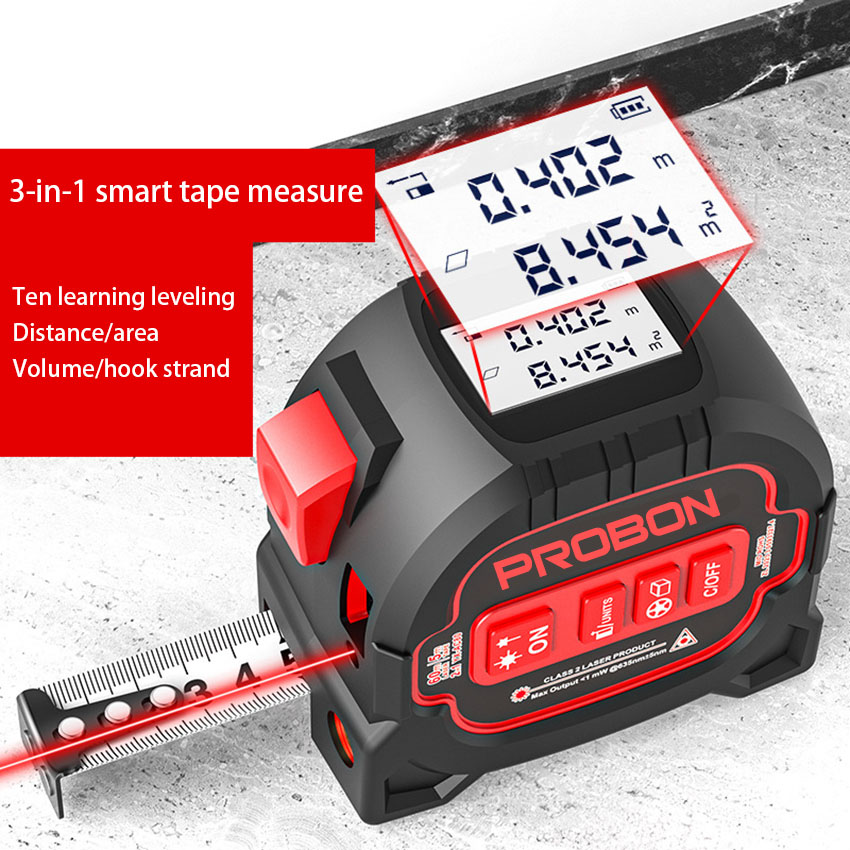
Ճշգրտությունը՝ յուրաքանչյուր ճշգրտության սանդղակի անվարանալի հիմքը
Չափումները համաստեղ ճշգրտությամբ՝ 1/32 դյույմի սխալով, ստանալը պահանջում է լուրջ ինժեներական աշխատանք: Իրականում կրկնվող արդյունքների համար երեք բանն են ամենակարևորը. սայրի կալիբրման ճշգրտությունը, հուկի թույլատրելի սխալների սահմանները և օգտագործման ընթացքում ջերմային կայունության պահպանումը: Սայրերը կալիբրելիս արտադրողները ստուգում են այդ փոքրիկ գծագրված նշանները՝ համեմատելով դրանք արտասովոր ճշգրտությամբ լազերային հղումների հետ, որպեսզի համոզվեն, որ բոլոր տարրերը ճիշտ են համապատասխանում միմյանց: Հուկերը պետք է դիմանան սովորական մաշվածությանը՝ միաժամանակ պահպանելով կատարյալ շփման կետերը: Որոշ գործիքներ օգտագործում են սայրավորված մեխանիզմներ կամ ստեղներ, որոնք կլանում են հարվածները՝ առանց խաթարելու զրոյական դիրքը: Ջերմաստիճանի փոփոխությունները նույնպես մեծ դեր են խաղում, քանի որ պողպատը մեկ դյույմի և մեկ Ֆարենհայթի ջերմաստիճանի բարձրացման դեպքում մոտավորապես 0,000006 դյույմով ընդարձակվում է: Պատկերացրեք, որ 25 ոտնաչափ չափման ժապավենը օգտագործվում է 40–80 Ֆարենհայթ ջերմաստիճանային տատանումների պայմաններում. միայն ջերմային ընդարձակման հետևանքով ժապավենը կարող է մոտավորապես 1/16 դյույմով երկարանալ: Դրա համար էլ հատուկ համաձուլվածքներն ու պաշտպանիչ ծածկույթները այդքան կարևոր են: Ածխածնի մանրաթելերով ամրացված սայրերը 100 անգամ երկարացնելուց հետո կարող են մնալ ±0,02 դյույմ սխալի սահմաններում, ինչը մեծ նշանակություն ունի կառուցվածքային պողպատի տեղադրման կամ մանրամասն փայտե միացումների կատարման համար: Եվ մի забուլում մի մոռացեք բարձր լարվածության վերականգնման համակարգերի մասին: Շատ լավ որակի ժապավենները ունեն առնվազն 10 ֆունտ (մոտավորապես 4,5 կգ) ձգողական ուժ՝ ժապավենը ուղիղ պահելու և սահմանափակելու այն սխալները, որոնք առաջանում են ժապավենի կախված լինելու պատճառով:
Ինչպես են սայրի կալիբրումը, հուկի թույլատրելի սխալը և ջերմային կայունությունը ազդում 0,03125 դյույմից (1/32″) փոքր կրկնելիության վրա
Շատ արտադրողներ ստուգում են իրենց կալիբրումը՝ օգտագործելով լազերային ինտերֆերոմետրիայի ստանդարտներ, որպեսզի կարողանան վերադառնալ հիմնարար երկարության չափումներին: Հուկերը տարբեր տեսակների են՝ որոշները ներսում զսպանակներ ունեն, մյուսները պարզապես սեղմատակայված են, սակայն երկու դեպքում էլ դրանք ստեղծված են այնպես, որ կարողանան դիմանալ հարվածների՝ չխախտելով զրոյական դիրքը: Իրական աշխարհում կատարված փորձարկումները ցույց են տվել, որ ածխածնի մանրաթելերով ամրացված սայրերը 100 անգամ երկարացնելուց հետո պահպանում են մոտավորապես 0,02 դյույմ (0,5 մմ) ճշգրտություն: Այս տեսակի համատեղելիությունը շատ կարևոր է կառուցվածքային պողպատե բաղադրիչների հետ աշխատելիս կամ մասնակի միացումների համար ճշգրիտ կտրումներ կատարելիս: Լարման համակարգերն էլ բավականին հզոր են՝ ավելի քան 10 ֆունտ (4,5 կգ) ձգողական ուժ ունենալով՝ ամեն ինչ մի քիչ իջնելուց կանխելու համար: Բոլոր այս դիզայնի տարրերը միասին աշխատելով ապահովում են հուսալի չափումներ՝ 0,03125 դյույմից (1/32″) լավ ճշգրտությամբ, նույնիսկ երբ սովորական արտադրամասային պայմաններում ջերմաստիճանը փոփոխվում է:
NIST-ին հետևողական սերտիֆիկացիա և ISO 9000-ի համապատասխանություն. Ինչու են դրանք կարևոր մրցույթի փաստաթղթերի և որակի ապահովման աուդիտների համար
Այն, ինչ տարբերակում է ճշգրտության գործիքները սովորական տարբերակներից, երրորդ կողմի վավերացումն է: Երբ ինչ-որ բան ունի NIST-ին հետևելի վավերացում, դա նշանակում է, որ չափումները ստուգվել են պաշտոնական ստանդարտների դեմ՝ ճիշտ փաստաթղթավորմամբ մինչև ազգային հիմնարար չափանմուշներ: ISO 9000 ստանդարտը հիմնականում ապահովում է, որ արտադրողները հետևեն որակի վերահսկման գործընթացներին, որոնք կանոնավոր հաճախականությամբ ենթարկվում են աուդիտի, այսպես որ արտադրամասից դուրս եկող յուրաքանչյուր սերիա համապատասխանում է նույն սպեցիֆիկացիաներին: Համայնքային պայմանագրերը սովորաբար պահանջում են այս տեսակի վավերացումներ: Օրինակ՝ Կալիֆոռնիայի Title 24 էներգետիկ կոդերը հատկապես նշում են ստուգված չափումների անհրաժեշտությունը օդային անցուղիների կնքման ժամանակ: Անհամապատասխան վավերացում ունեցող սարքավորումների օգտագործումը կարող է ապագայում խնդիրներ առաջացնել՝ պայմանագրային հարցեր կամ ստուգումների ձախողում: Այս պաշտոնական փաստաթղթերը իրականում պաշտպանություն են տրամադրում որակի ստուգումների ժամանակ և հաճախ հանդիպում են կառավարության ենթակառուցվածքային աշխատանքների համար նախագծերում, որտեղ ապացույցները ամենակարևորն են:
Կտրուկ ճշգրտության համար անհրաժեշտ սալիկավոր չափման ժապավենի հիմնական հատկանիշներ
Երկար սալիկ, սալիկի կայունություն և անտիսագ դիզայն՝ ճշգրտված մեկուսացված չափումների համար 8 ոտնաչափից ավելի հեռավորության վրա
Ճշգրտությամբ չափել 8 ֆուտից ավելի հեռավորությունները պահանջում է մարտահրավերի դիմել չափման ժապավենի սակավաթիվ ճկվելու դեմ, որն իրականում սխալների հեռավորության հետ մեծացման հիմնական պատճառներից մեկն է: Դաշտային փորձարկումների համաձայն՝ 10 ֆուտանոց հատվածներում 1/32 դյույմի ճշգրտության սահմաններում մնացող չափման ժապավենները սովորաբար ունեն երեք կարևոր հատկանիշ, որոնք միասին են աշխատում: Առաջինը՝ դրանք պետք է ունենան առնվազն 1 դյույմ լայնությամբ ստալյան ժապավեններ՝ ստանդարտ 3/4 դյույմանոց չափսի փոխարեն: Երկրորդը՝ այդ ժապավենները հաճախ ունեն հատուկ պոլիմերային ծածկույթներ, որոնք օգնում են դրանց ավելի հեշտ սահել: Երրորդը՝ դրանց ձևը նույնպես կարևոր է. մեծամասնության արտադրողները դրանք նախագծում են կորացված պրոֆիլներով՝ ամբողջովին հարթ տարբերակների փոխարեն: Լայն ժապավենները մոտավորապես 40 տոկոսով ավելի կոշտ են, քան նեղ տարբերակները, իսկ նայլոնի նման ծածկույթները նվազեցնում են ժապավենը դուրս քաշելիս առաջացող շփման ուժը: Այդ կորացված ձևավորումները կարող են պահպանել ժապավենի ուղղաձիգ դիրքը մոտավորապես երկու անգամ ավելի երկար, քան հարթ տարբերակները, երբ կիրառվում է ծանրություն, և դա կանխում է մասնագետների կողմից «հուկի թեքում» անվանվող երևույթը, որը կարող է չափման սխալը 25 ֆուտանոց հեռավորության վրա գերազանցել 1/8 դյույմը: Նման ճշգրտությունը կարևոր է ձևավորման կառուցվածքների տեղադրման կամ երկաթբետոնե կառուցվածքների մонтաժման ժամանակ, քանի որ փոքր սխալները հավաքվում են և վերջնականապես վտանգում են ամբողջ կառուցվածքի կայունությունը:
Մագնիսային ծայրեր, ապահով սայրերի փակման համակարգեր և կոռոզիայի դիմացկուն ծածկույթներ՝ տարբեր պահանջվող վայրերում տևական օգտագործման համար
Երբ չափման ժապավենները սկսում են մաշվել շինարարական հրապարակներում, դրանց ճշգրտությունը սովորաբար շատ արագ կորչում է: Ըստ ASTM B117 սաղավարտի սպրեյի փորձարկումների՝ սովորական պողպատե շերտերը կարող են կորցնել իրենց նշանակումների մոտավորապես 70%-ը ընդամենը կես տարվա ընթացքում՝ բոլոր բետոնե փոշու և խոնավության պատճառով, որոնց դիմանում են: Լավ լուրը ինչ՞ է. Էպոքսիդային կապված պոլիմերային ծածկույթները իրոք կանգնեցնում են օքսիդացման ընթացքը՝ միաժամանակ պահպանելով այդ կարևոր NIST-ին հետևելի չափումները անփոփոխ, այսինքն՝ ժապավենները երեք անգամ ավելի երկար են ծառայում: Մետաղամշակները գնահատելու են հազվագյուտ երկրակեղևի մագնիսային ծայրերը, որոնք մոտավորապես 22 ֆունտ (10 կգ) ձգողական ուժ են ապահովում՝ ամուր կպչելով պողպատե մակերեսներին, այսպես որ մենակ աշխատելիս չի տեղի ունենում շերտի շեղումը: Շատ մատակարարներ գիտեն, թե որքան դժվար է, երբ ժապավենը թուլանում է, սակայն եռակի սեղման հուկերը և երկու փուլային շերտի արգելափակիչները իրոք կանգնեցնում են այս խնդիրը, որը 54% աշխատողները նշում են որպես իրենց հանդիպած խնդիր: Բոլոր այս դիզայնային տարրերը միասին աշխատում են՝ ապահովելով չափումների ճշգրտությունը՝ նույնիսկ հարվածներից հետո, հաստ մակերեսների դեմ սարքի մաշվելուց հետո կամ մեծ արդյունաբերական շինարարական հրապարակներում բնորոշ կոշտ քիմիական նյութերի հետ շփվելուց հետո:
Կարդացվելիություն և նշման պարզություն. Իրական պայմաններում մարդկային սխալների նվազեցում
Ճշգրտ չափումներ ստանալը շինարարական հրապարակներում իրականում կախված է գործիքները այնպես կարդալու կարողությունից, որպեսզի այն հնարավոր լինի այն բոլոր անկարգությունների մեջ։ Դեղին մասնիկները բոլոր տեղերում են, լուսավորությունը հաճախ վատ է, իսկ մակերևույթներից արտացոլվող արեգակնային լույսը կարող է ամբողջովին խաթարել ցուցման ճշգրտությունը՝ վատնելով ինչպես ժամանակը, այնպես էլ գումարը։ Լավագույն գործիքները ունեն բարձր կոնտրաստային նշանակումներ, օրինակ՝ կոտորակների համար մուգ գույնի թվեր պայծառ դեղին ֆոնի վրա, ինչպես նաև սանդղակներ, որոնք իրականում փորագրված են նյութի մեջ, այլ ոչ թե պարզապես տպված։ Դրանք չեն մաշվում կամ թաքնվում հեշտությամբ, այնպես որ աշխատողները միշտ կարող են տեսնել այն, ինչի կարիքն ունեն, նույնիսկ եթե դրանց չափիչ գործիքները ծածկված են բետոնային լուծույթով կամ փայտի կտրվածքից առաջացած փայտի մասնիկներով։ Հաստ սայլակները նույնպես կարևոր են, քանի որ դրանք չեն ծռվում կամ կախվում, ինչը օգնում է խուսափել այն անհաճելի պարալաքսային սխալներից, որոնց բոլորը ատում են։ Որոշ արտադրողներ նաև կիրառում են հատուկ ծածկույթներ, որոնք նվազեցնում են ուղիղ արեգակնային լույսից առաջացած արտացոլումները։ Պոնեմոնի 2023 թվականի հետազոտության համաձայն՝ շենքի կառուցման աշխատանքների մոտ մեկ քառորդը պետք է վերակատարվի, քանի որ մարդիկ պարզապես սխալ են կարդում իրենց գործիքները։ Սա հասկանալի է, երբ մտածում ենք այն մասին, որ որևէ մեկը չի ցանկանում ժամեր վատնել մի բանի վերանորոգման վրա, որը առաջին անգամ ճիշտ պետք է լիներ։ Երբ նշանակումները տեսանելի են մնում տարիներ շարունակ շինարարական հրապարակներում առաջացած ծանր օգտագործման պայմաններում, և աշխատողները կարող են վստահել իրենց աչքերին՝ անկախ այն բանից, թե առավոտյան վաղ ժամին է թե երեկոյան ուշ ժամին, աշխատակազմերը համապատասխանաբար հասնում են 1/16 դյույմի ճշգրտության՝ անընդհատ չեն կասկածում իրենց վրա:
Էրգոնոմիկա և օգտագործելիություն. դիզայնի տարրեր, որոնք ապահովում են հաստատուն ճշգրտության աշխատանքային հոսք
Ավտոմատ փակման հուսալիություն, մեկ ձեռքով կատարելի օպերացիա, մատների պաշտպանություն, կոմպակտ կապսուլ՝ բազմակի կատարման համար բարձր ճշգրտության աշխատանքների համար
Լավ էրգոնոմիկ դիզայնը իսկապես օգնում է պահպանել չափումների համաստեղությունը տարբեր նախագծերում: Ավտոմատ արգելափակման ֆունկցիան կանխում է սրաների սահելը նշումներ անելիս, ինչը նշանակում է, որ չափումները մնում են մոտավորապես 1/32 դյույմ ճշգրտության սահմաններում: Նման ճշգրտությունը շատ կարևոր է մանրամասն փայտամշակման և մեբելի արտադրության նման աշխատանքներում, որտեղ փոքր տարբերությունները կարևոր են: Կառուցապատողները սիրում են մեկ ձեռքով կատարելի գործողությունը, քանի որ դա նրանց հնարավորություն է տալիս երկարացնել, արգելափակել և հետ վերադարձնել գործիքները՝ առանց տեղաշարժվելու կամ այն, ինչը բռնած են, գետնին գցելու: Մատների պաշտպանակները նույնպես մեծ նշանակություն ունեն, քանի որ մեծամասնության աշխատողները նյութերի նախապատրաստման ժամանակ օրական ավելի քան 200 անգամ են ձգում գործիքը: Համապատասխանաբար փոքր չափսերով մարմինը նույնպես առավելություն է, քանի որ այս գործիքները հեշտությամբ տեղավորվում են գործիքների գոտիներում՝ առանց բախվելու այլ առարկաների: Քաշը սովորաբար տատանվում է 8–12 ունցիայի սահմաններում՝ լավ հավասարակշռությամբ, իսկ մակերեսի տեքստուրային բռնակը ապահովում է լավ վերահսկողություն չափումների փոխանցման ժամանակ: Որոշ հետազոտություններ ցույց են տալիս, որ ճիշտ էրգոնոմիկան երկար աշխատանքային օրերից հետո մեկ ձեռքի հոգնածության պատճառով սխալները նվազեցնում է մոտավորապես 30 տոկոսով: Չափումների ավելի քիչ սխալ կարդալը նշանակում է ավելի քիչ վատնված ժամանակ սխալների ուղղման համար զբաղված աշխատանքներում, ինչպես օրինակ՝ մանրամասն մասերի տեղադրումը կամ երկաթբետոնե կառուցվածքների հետ աշխատանքը:
Առևտրային ուղղվածությամբ չափման ժապավենի ընտրություն. Ձեր ճշգրտության պահանջներին համապատասխան ճիշտ չափման ժապավենի ընտրություն
Սայլակի նյութը, լայնությունը և էլեկտրահաղորդականության պահանջները՝ շենքի կառուցման, վերջնական փայտամշակման, պողպատե կառուցվածքների տեղադրման և հարթագծային նախապատրաստման ընթացքում
Տարբեր շինարարական մասնագիտությունների համար անհրաժեշտ են տարբեր չափաքանոններ՝ ըստ կատարվող աշխատանքի: Երբ կառուցվում են պատերի շրջանակներ, մասնագետները վստահում են 1 դյույմ լայնությամբ պողպատե շերտերով չափաքանոններին, քանի որ սովորական չափաքանոնները չեն կարողանում պահպանել իրենց ձևը սյուների միջև: Փորձեք 6 ոտնաչափ (մոտավորապես 1,83 մետր) հեռավորության վրա օգտագործել այդ չափից նեղ չափաքանոն և դիտեք, թե ինչպես է այն կախվում ներքև՝ յուրաքանչյուր 10 ոտնաչափ (մոտավորապես 3,05 մետր) ճանապարհի վրա ստեղծելով մոտավորապես 1/8 դյույմ (մոտավորապես 3,175 մմ) սխալ: Վերջնական փայտագործները սիրում են իրենց 3/4 դյույմ լայնությամբ շերտերը, որոնք պատված են նեյլոնային ծածկույթով, որպեսզի չգծագրվեն թանկարժեք փայտե մակերեսները եզրազարդման կամ պահարանների տեղադրման ժամանակ: Այն պողպատագործները, ովքեր աշխատում են գործող էլեկտրական համակարգերի հետ, պետք է պարտադիր օգտագործեն ապակյա մանրաթելե շերտեր, քանի որ մետաղական շերտերը կարող են առաջացնել վտանգավոր էլեկտրական աղեղներ: Իսկ այդ մագնիսային ծայրերը՝ նույնիսկ ձեռնոցներ հագնած ժամանակ էլ միացվում են ինչպես սոսինձ երկաթբետոնե սյուներին (I-ձև սյուներ): Հատակագծային խմբերը ընտրում են երկար՝ 100 ոտնաչափ (մոտավորապես 30,48 մետր) ապակյա մանրաթելե չափաքանոններ՝ հատուկ տիտանային ծածկույթով հուկերով, որոնք չեն ձգվում և չեն կեղտոտվում արտաքին պայմաններում ամիսներ շարունակ օգտագործելուց հետո: Այս գործիքները համապատասխանում են ASTM ստանդարտների խիստ պահանջներին՝ ճշգրտությամբ մինչև 1/500 աստիճանի չափումներ: Միշտ ստուգեք ձեր չափաքանոնի հաղորդականության տեսակը, նախքան մտնելը ցանկացած շինարարական հրապարակ, որտեղ մոտակայքում կա էլեկտրականություն: Ըստ NFPA անվտանգության ուղեցույցների, ոչ մետաղական շերտերը շատ մոտավորապես կեսով նվազեցնում են շոկի վտանգը, ուստի որոշ նախագծերում դրանց լրացուցիչ արժեքը արդարացված է:
Հաճախակի տրվող հարցեր
Ինչ են ճշգրիտ չափումներ ստանալու հիմնական գործոնները ճշգրիտ չափաժապավենի օգտագործման դեպքում?
Հիմնական գործոններն են ժապավենի սայլակի կալիբրումը, հուկի թույլատրելի սխալը և օգտագործման ընթացքում ջերմային կայունության պահպանումը: Արտադրողները կալիբրումը ստուգում են լազերային ինտերֆերոմետրիայի միջոցով՝ ճշգրտությունն ապահովելու համար:
Ինչու՞ է NIST-ին հետևելի սերտիֆիկացիան կարևոր ճշգրիտ գործիքների համար:
NIST-ի միջոցով հետագծվող սերտիֆիկացիան ապահովում է չափումների ստուգումը պաշտոնական ստանդարտների դեմ, ինչը ապահովում է որակի և հավաստիության երաշխիքը՝ անհրաժեշտ պայման պետական պայմանագրերի և որակի աուդիտների համար:
Ինչպե՞ս են կոնկրետ չափաժապավենի հատկանիշները հնարավորություն տալիս հուսալի ճշգրիտ նախագծում:
Ժապավենի կոշտությունը, անկորոշության դեմ նախատեսված դիզայնը, մագնիսային ծայրերը և կոռոզիայի դեմ կայուն ծածկույթները ապահովում են տևականություն և ճշգրտություն 8 ոտնաչափից ավելի հեռավորության վրա՝ պահանջվող շինարարական վայրերի պայմաններում:
Ինչ դիզայնի տարրերն են նպաստում շինարարական վայրերում կարդացման սխալների նվազեցմանը?
Բարձր կոնտրաստի նշանները և մասշտաբները, որոնք փորագրված են նյութի մեջ, օգնում են նվազեցնել կարդալու սխալները: Ամուր սայլակները և հատուկ պատվաստումները նվազեցնում են պարալաքսային սխալները և արեգակնային լույսի արտացոլումները:
Ինչպե՞ս է էրգոնոմիկ դիզայնը բարելավում չափման ժապավենի օգտագործման հեշտությունը:
Էրգոնոմիկ դիզայնը՝ ինքնաշարժ արգելափակման հատկությամբ, մեկ ձեռքով օգտագործման հնարավորությամբ, մատների պաշտպանությամբ և կոմպակտ կապսուլավորմամբ, հեշտացնում է կրկնվող բարձր ճշգրտությամբ աշխատանքները և նվազեցնում է չափման սխալները:
Ինչպե՞ս են առևտրային ոլորտի հատուկ պահանջները ազդում չափման ժապավենի ընտրության վրա:
Չափման ժապավենի ընտրության վրա ազդում են սայլակի նյութը, լայնությունը և հաղորդականությունը՝ տարբեր առևտրային ոլորտների համար: Օրինակ՝ ֆիբերգլասից պատրաստված սայլակները անհրաժեշտ են այն երկաթագործների համար, ովքեր աշխատում են էլեկտրական համակարգերի հետ:
Բովանդակության աղյուսակ
- Ճշգրտությունը՝ յուրաքանչյուր ճշգրտության սանդղակի անվարանալի հիմքը
- Կտրուկ ճշգրտության համար անհրաժեշտ սալիկավոր չափման ժապավենի հիմնական հատկանիշներ
- Կարդացվելիություն և նշման պարզություն. Իրական պայմաններում մարդկային սխալների նվազեցում
- Էրգոնոմիկա և օգտագործելիություն. դիզայնի տարրեր, որոնք ապահովում են հաստատուն ճշգրտության աշխատանքային հոսք
- Առևտրային ուղղվածությամբ չափման ժապավենի ընտրություն. Ձեր ճշգրտության պահանջներին համապատասխան ճիշտ չափման ժապավենի ընտրություն
-
Հաճախակի տրվող հարցեր
- Ինչ են ճշգրիտ չափումներ ստանալու հիմնական գործոնները ճշգրիտ չափաժապավենի օգտագործման դեպքում?
- Ինչու՞ է NIST-ին հետևելի սերտիֆիկացիան կարևոր ճշգրիտ գործիքների համար:
- Ինչպե՞ս են կոնկրետ չափաժապավենի հատկանիշները հնարավորություն տալիս հուսալի ճշգրիտ նախագծում:
- Ինչ դիզայնի տարրերն են նպաստում շինարարական վայրերում կարդացման սխալների նվազեցմանը?
- Ինչպե՞ս է էրգոնոմիկ դիզայնը բարելավում չափման ժապավենի օգտագործման հեշտությունը:
- Ինչպե՞ս են առևտրային ոլորտի հատուկ պահանջները ազդում չափման ժապավենի ընտրության վրա: