
 EN
EN
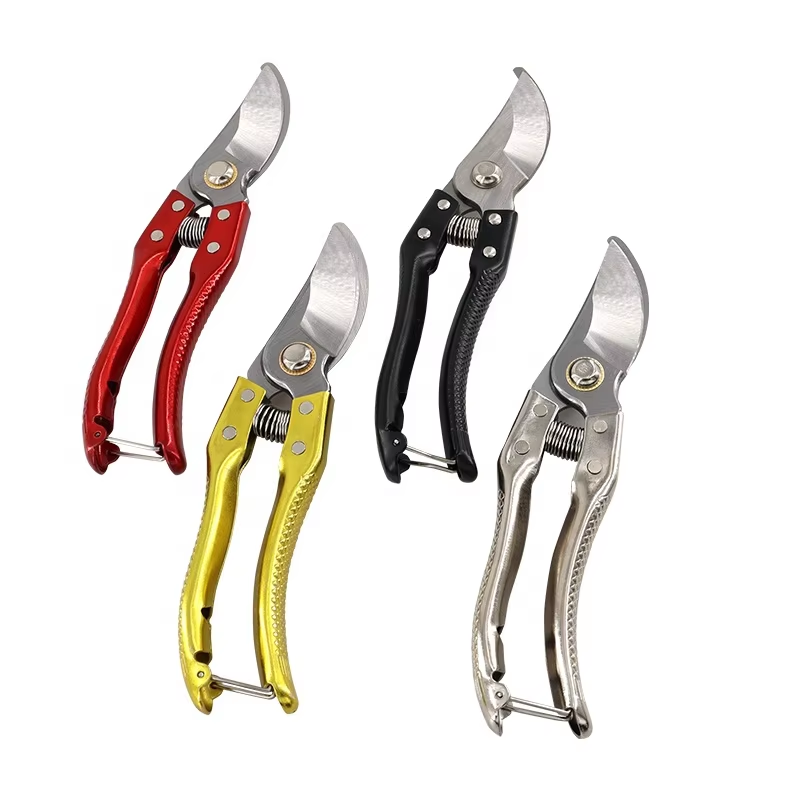
Blade Material and Sharpness: Foundation of Clean, Precise Cuts
High-Carbon Steel, Stainless Steel, and Titanium-Coated Blades Compared
Blades made from high carbon steel are really hard (around 55 to 62 on the Rockwell scale) and hold their edges well, though they need regular oiling to stop them from rusting. Stainless steel isn't quite as hard but comes with natural protection against rust, making it great for places that get damp or wet where nobody wants to spend time maintaining tools. Some blades have a titanium coating applied over stainless steel through a vapor process. This adds another layer of protection against wear and makes cutting smoother too. When it comes to actual pruning work at home or professionally, especially when making clean cuts through living branches about three quarters of an inch thick, stainless steel tends to be the best choice overall. It lasts long enough, doesn't corrode easily, and doesn't demand much attention after purchase.
Edge Retention and Its Impact on Plant Health and Healing
Blunt blades tend to crush instead of cut through plant material, which leads to messy wounds. These damaged areas can really mess up the plant's internal structure, slow down healing time by around two to three weeks, and make them more vulnerable to diseases. Research shows that when gardeners use sharp instruments for pruning, plants actually heal from injuries about 30 percent quicker. This makes all the difference for keeping diseases at bay and helping plants bounce back stronger. Quality pruning shears stay sharp after hundreds of cuts, sometimes over 500 before needing resharpening. This means cleaner cuts that protect the delicate layers inside the plant where new growth happens. Keeping those blades sharp isn't merely about making sure tools last longer. It's actually a smart gardening technique backed by science that helps keep our green friends healthy in the long run.
Engineering Insights: Optimal Edge Angle, Hardness (HRC), and Cutting Efficiency
| Factor | Ideal Specification | Effect on Performance |
|---|---|---|
| Edge Angle | 25–30 degrees | Maximizes slicing efficiency while resisting edge roll |
| Hardness (HRC) | 56–60 | Balances edge retention with impact resilience |
| Blade Geometry | Convex grind | Reduces cutting resistance by 25% versus flat grinds |
Precision-ground edges at 28 degrees require 40% less hand force than generic 45-degree angles. Paired with hardened steel (≥58 HRC), this configuration sustains cutting efficiency across fibrous and woody stems while minimizing cellular disruption—supporting rapid wound closure and healthy regrowth.
Ergonomic Design: Reducing Fatigue During Extended Pruning Sessions
Handle Shape, Grip Texture, and Compatibility with Different Hand Sizes
The way handles are designed makes a big difference in how long someone can work comfortably, their ability to cut accurately, and overall hand and arm health over time. When grips follow the natural shape of the hand, they tend to cut down on pressure spots by around 30 percent compared to those round cylinder shapes most tools have. Plus, adding texture to these grips helps maintain grip even when working with wet leaves or sticky sap. For folks with smaller hands, compact models where the handle space stays below about 3.5 inches really matter because they stop tendons from getting overstretched during repetitive tasks, which cuts down on strain injuries. Weight matters too. Better quality pruning shears often balance things out with weights built into the handle area so the heavy part of the tool doesn't pull on the wrist as much. This little trick keeps cuts consistent even after hours of trimming bushes and branches.
Scientific Evidence: Force Reduction and User Comfort in Professional-Grade Pruning Shears
Studies on body mechanics have shown that ergonomic pruning shears really do make a difference in reducing physical strain. When tested over four hour periods, these shears require about 40% less grip strength thanks to their improved lever systems. The handles are also made with special materials that soak up vibrations from thick branches or stubborn knots. Real world data backs this up too landscaping workers who switch to these tools report around 57% fewer cases of repetitive stress injuries according to long term tracking. Another smart feature is the dual position trigger system which lets blades engage at different points depending on what's needed. This makes cutting both easy and accurate without draining energy reserves as quickly.
Construction Quality: Forged vs. Stamped and Long-Term Durability
Structural Integrity Under Load: Why Forged Blades Last Longer
Pruning shears made through forging tend to be better than those that are stamped because of how the metal's grain gets packed tighter and spreads more evenly during the heating and pressing process. According to some research from the University of Toledo, this actually makes them about 26 percent stronger when pulled apart, plus they can handle repeated stress much better too something gardeners really need when dealing with thick branches all day long. The way these forged shears are built stops tiny cracks from forming around where the handles meet and at the edges of the blades themselves. This means the tool stays aligned properly for ages even after making thousands of cuts without losing its sharpness or effectiveness. Looking at things over time, people who buy forged tools usually find they last way longer. These tools don't bend easily, keep their cutting edge for far more seasons, and generally won't break down as quickly as cheaper stamped versions often do.
Cutting Mechanism and Task Suitability: Bypass, Anvil, and Ratchet Pruning Shears
Matching the Mechanism to the Plant Type and User Strength
Bypass pruners work kind of like regular scissors, with two sharp blades sliding past each other to give clean cuts without squishing the plant material. These are great for cutting fresh green stems and delicate plants such as roses or fruit trees. On the other hand, anvil pruners have one sharp blade that presses down onto a flat surface. They're good for removing dead branches or tough wood but can actually crush living tissue if someone isn't careful with how hard they squeeze. Ratchet pruners add extra power through their mechanical system, which means less strain on the hands during each cut. Gardeners who struggle with arthritis or weak grip find these particularly helpful when working with thick hardwoods. Choosing between these different types really depends on what needs cutting. For live growth, go with bypass. Need to clear out dead wood? Anvil does the job quickly. And when facing really tough cuts, ratchets provide that extra leverage while being easier on the hands in the long run.
FAQ
What is the best blade material for pruning shears?
Stainless steel is often recommended for the best overall performance as it offers a good balance of durability, corrosion resistance, and low maintenance needs.
How does blade sharpness impact plant health?
Sharp blades ensure clean cuts, which help plants heal faster and prevent disease, while blunt blades can crush plant material and cause lasting damage.
What type of pruning shears is best for those with arthritis?
Ratchet pruners are generally beneficial for those with arthritis because they allow for easier cutting with less hand strain due to their mechanical advantage.
Why opt for forged pruning shears over stamped ones?
Forged pruning shears generally last longer and maintain structural integrity better than stamped ones, making them a durable choice for heavy-duty gardening tasks.