
 EN
EN
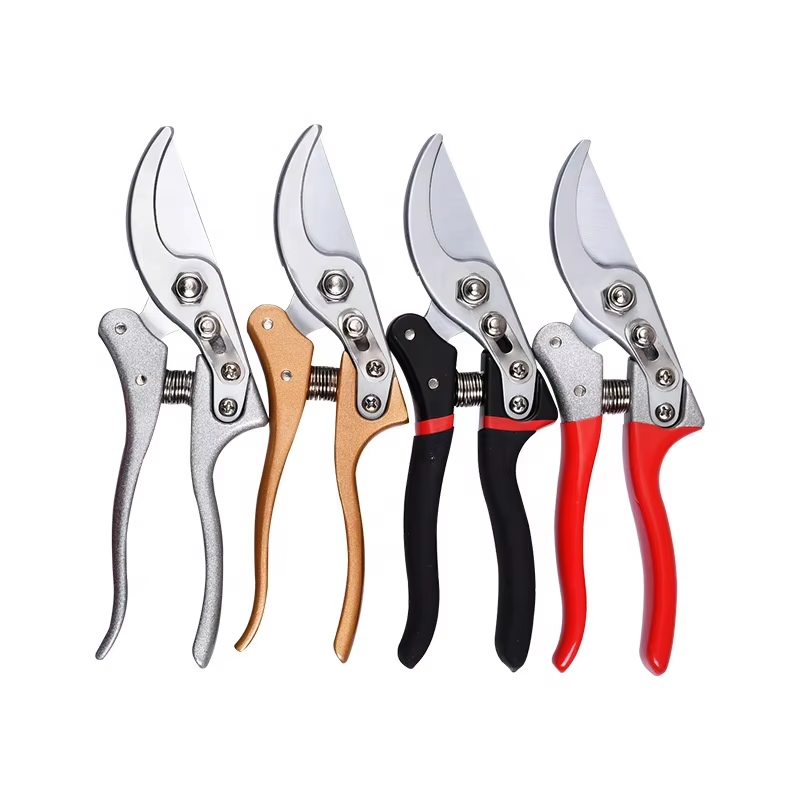
Pruning Shears Types and How They Match Plant Material (Green vs. Dry Wood)
How bypass, anvil, and ratchet mechanisms handle live tissue versus dead wood
Pruning shears come in different styles for different jobs. Bypass pruners work similar to regular scissors, with two blades passing each other to make neat cuts. These are great for fresh green wood and living branches because they help keep the cells intact. On the other hand, anvil pruners have one blade that presses down onto a flat metal surface. This setup focuses all the force into cutting tough, dry wood that's become hard and woody over time. Some models feature ratchet mechanisms that boost cutting power step by step, making it much easier on the hands when dealing with thick, fibrous branches. Around 70 percent less strain on the wrists according to some tests. The choice really depends on what plants need attention. Bypass shears tend to be better for actively growing parts where damage matters, whereas anvil and ratcheted versions handle the tougher stuff where getting through is more important than preserving delicate tissues.
Why clean cuts on green stems prevent disease—and why anvil shears risk crushing dry wood
Bypass shears give clean cuts that help seal wounds fast in living tissue, which really cuts down on pathogens getting in. Think about those pesky fungi like Botrytis cinerea specifically. On the flip side, when someone grabs anvil shears for green stems, they end up crushing those vascular bundles instead. That creates little highways for infections to spread through plants, and studies show this can actually reduce plant survival rates around 40% according to research published in Horticultural Science Journal last year. But here's something interesting about dead or dried out wood. Sometimes controlled crushing works better here because it breaks apart those brittle fibers without needing super careful cutting. The difference in how plants react physiologically means picking the right tool matters a lot. Need precision with living stuff, but go ahead and apply some good old fashioned force when working with materials that are already dead.
Matching Pruning Shears to Plant Type and Trimming Task
Bypass pruning shears for precision work: roses, herbs, and soft-stemmed edibles
When it comes to cutting live green stems like those on roses, basil plants, young tomatoes, and various soft stemmed foods, bypass pruners really stand out from the crowd. The way these shears work is kinder to plant tissues, causing less damage overall. Plants heal faster when cut this way, and studies show there's about a 70 percent drop in disease problems compared to when stems get torn or smashed instead. A quick check of recent research in Horticultural Science back in 2023 confirms this. For gardeners growing flowers or herbs, this careful cutting protects the tiny internal transport system that carries nutrients around. Vegetable growers notice better harvests too, with plants bouncing back stronger after being pruned properly rather than hacked at carelessly.
Anvil and ratchet pruning shears for thick, woody, or dead stems—shrubs, fruit trees, and overgrown hedges
When dealing with woody stems about an inch thick or so (think mature shrubs, those old apple trees in the backyard, or those messy hedges nobody tends to), anvil and ratchet pruning shears really shine. The flat anvil part gives something solid for the branch to sit against, which stops the blades from getting damaged when cutting through tough, dry wood. Ratchet style shears work differently too they slowly build up pressure as you turn the handle, which makes all the difference when tackling really stubborn branches that just won't snap clean with regular pruners. Gardeners who've tried both often swear by this method for getting through those particularly nasty cuts without damaging the tool.
- Hardwood pruning on fruit trees
- Removing old, unproductive canes from berry bushes
- Clearing thick-stemmed invasives like English ivy
Unlike bypass tools, these designs avoid crushing damage when used appropriately on dormant or dead wood—and reduce hand strain by 40% during tough cuts (Arborist Tools Review, 2023).
Cutting Capacity and Stem Thickness: Selecting Pruning Shears for Optimal Performance
Understanding maximum stem diameter ratings—and why exceeding them damages blades and plants
Most pruning shears come with a maximum stem diameter rating, usually given in either inches or millimeters, so gardeners can get clean and safe cuts when trimming plants. Going beyond what the tool is designed for puts stress on its internal parts, leading to problems like blades getting out of alignment, faster wear on components, and overall poor cutting performance. The real issue comes when people try to cut stems that are too thick for their shears. Instead of making a clean slice, these oversized stems tend to get crushed, leaving rough edges that invite all sorts of plant diseases. Studies from the Horticultural Science Journal back this up, showing disease rates jump around 40% after improper cuts. Gardeners should look for shears that match the size of the largest stems they expect to work with regularly.
Ratchet pruning shears as a force-multiplying solution for users with limited hand strength or thick branches up to 1"
Ratchet pruning shears give gardeners a real edge when dealing with thick woody stems around 1 inch in diameter, whether they're tackling old shrubs or branches from fruit trees, all while needing much less grip force than traditional pruners. What makes these tools special is their gear system that spreads out the cutting work over several lever movements, which means hands don't have to exert nearly as much pressure maybe somewhere between 60 to 70 percent less actually according to some tests. For folks with arthritis or those who find it tough to get a good grip, this design lets them cut through tough woods like oak and maple without struggling. Plus, the step-by-step action helps keep the blades from slipping on hard wood surfaces, so every cut stays clean and under control.
Ergonomic and Functional Features That Enhance Pruning Shears Usability
Sap grooves, wire-cutting notches, safety locks, and replaceable blades for long-term reliability
The way tools are built really affects how long they last, stay safe, and perform over time. Those little grooves cut into the tool body? They're there specifically to catch sap and all that sticky stuff before it gets to the moving parts. Otherwise, after working on pine trees or other sap-heavy plants, things tend to get stuck and stop working properly. The blade has these small notches at the bottom too. Gardeners love them because they can trim plastic ties or even thin wires without messing up the main cutting surface. Some folks might not notice this detail but trust me, it makes a big difference when cleaning up after pruning sessions. Speaking of which, those safety locks on modern tools are pretty important. Nobody wants their pocketknife popping open while digging through a toolbox or carrying gear across a jobsite. And let's talk about blades that actually come out and get replaced. Tools with this feature typically last between three to five extra years compared to ones without. Instead of throwing away an entire tool just because the blade got dull, users simply swap it out. This saves money in the long run and cuts down on trash going to landfills. According to industry reports, companies see about 70% fewer discarded tools when blade replacement options exist.
Arthritis-friendly designs, adjustable handles, and left-handed compatibility for inclusive use
Better ergonomics make pruning shears much easier to handle for everyone. The spring assisted openers really take some stress off hands, cutting down on strain by around 40 percent while needing only about 30% less grip strength for each snip. That makes a big difference for folks dealing with arthritis issues or carpal tunnel problems. Handles that rotate or adjust fit different hand sizes better and let people hold them at their most natural angle, spreading out the pressure so fingers don't get tired as quickly. Some models come ambidextrous, others specifically made for lefties, which means no twisting wrists uncomfortably when making cuts. All these thoughtful touches help gardeners stay at it longer without getting worn out. Research indicates gardeners can work continuously for nearly 60% longer with these improved designs versus regular shears.
FAQ
What are bypass pruners best used for?
Bypass pruners are best used for cutting live, green stems as they make clean cuts which help plant tissues heal faster and reduce the risk of diseases.
Why should I use anvil pruners instead of bypass pruners?
Anvil pruners are ideal for cutting tough, dry wood and thick branches, as their design focuses cutting force more effectively, making them better suited for dead or hard wood.
What is the advantage of ratchet pruning shears?
Ratchet pruning shears enhance cutting power gradually, requiring less hand strength for thick branches, making them a great option for users with limited hand strength or arthritic conditions.
How do sap grooves and safety locks benefit pruning tools?
Sap grooves prevent sticky substances from reaching moving parts, maintaining pruner functionality, while safety locks ensure the tools remain secure when not in use.