
 EN
EN
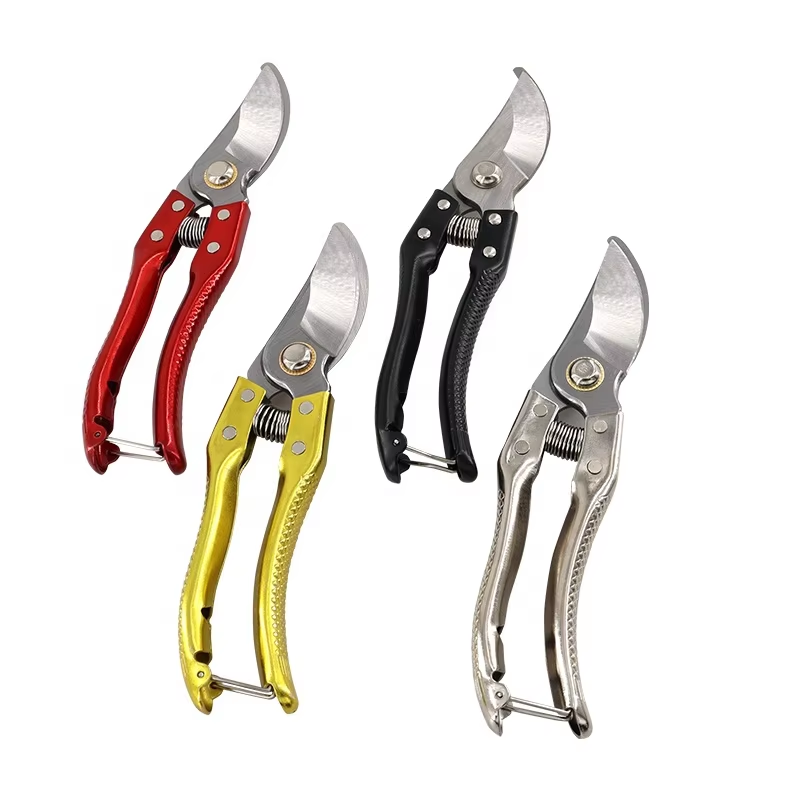
Core Selection Criteria for High-Volume Pruning Shears Procurement
Ergonomics and User Safety at Scale
Ergonomic handles significantly reduce repetitive strain injuries—critical when garden center staff perform hundreds of cuts daily. Non-slip grips and spring-assisted mechanisms lower hand fatigue by 30% and prevent slippage on damp or resinous branches. Always prioritize models with integrated safety locks to minimize accidental activation during transport or storage.
Cutting Performance and Capacity Across Common Plant Types
| Blade Type | Ideal Use Case | Cutting Capacity |
|---|---|---|
| Bypass | Live stems, green wood | Up to ¾" diameter |
| Anvil | Dead wood, dry branches | Up to 1" diameter |
| Ratchet | Hardwood, dense growth | Up to 1.5" diameter |
Match blade geometry to dominant vegetation: curved blades excel on fibrous plants like roses, while micro-serrated edges enhance grip on smooth-barked species such as maples or birches.
Maintenance Simplicity and Field-Serviceability
For those running large scale pruning operations, getting shears that can be maintained quickly without tools makes all the difference. Look for models featuring standard stainless steel screws along with parts that snap together easily. These designs let workers swap out blades or tweak settings in just over a minute flat, which means machines spend way less time sitting idle waiting on repairs. Some estimates put this downtime reduction around 60-70%. Another big plus comes from special coatings applied to prevent rust buildup. Coatings like titanium nitride or ceramic really hold up against moisture, so these tools last longer when used near saltwater areas or in places where humidity is always high.
Optimal Pruning Shears Size & Design for Garden Center Versatility
The Three Essential Sizes: Bypass Pruning Shears for Retail, Landscaping, and Specialty Use
Selecting the right size directly impacts efficiency, user endurance, and plant health in high-volume settings. A 2:1 handle-to-blade ratio consistently delivers optimal leverage and control across diverse hand sizes, reducing fatigue during extended use. For bulk procurement, three bypass pruner sizes serve distinct operational needs:
- Compact (6–7 inches): Designed for retail customers and precision tasks like greenhouse trimming—ideal for delicate stems under ½" diameter
- Standard (8 inches): The landscaper’s workhorse, balancing cutting power and maneuverability for daily use on branches up to ¾" thick
- Heavy-duty (9+ inches): Engineered for arborists tackling dense, mature woody growth, with extended handles delivering critical mechanical advantage
When pruning tools are mismatched in size, they tend to crush plants or make incomplete cuts. These poor cuts damage the plant's vascular system, which makes them more prone to diseases. Some field studies actually show disease rates can jump as much as 40% when this happens. For those buying in bulk, it really pays to check how evenly weighted each tool feels and make sure the materials hold up over time. The best options typically have forged aluminum handles since they last longer without bending. High carbon steel blades cut cleaner through stems without tearing, which matters a lot when working on delicate rose bushes, tough ornamental shrubs, or anything from fruit trees that needs regular trimming throughout the season.
Material, Blade Type, and Build Quality: Reducing Total Cost of Ownership
Stainless Steel vs. High-Carbon Steel: Durability, Corrosion Resistance, and Repair Frequency
What kind of material we pick really affects how much money gets spent over time. Stainless steel stands out because it doesn't corrode as easily, which matters a lot when tools get cleaned often or stored outside. Tests done in controlled settings found that stainless steel tools failed from rust about 40% less frequently in damp areas compared to other materials, based on research published in 2023 looking at garden tools. On the flip side, high carbon steel is harder and holds an edge better for tough jobs, but comes with tradeoffs. These tools need careful maintenance after each use, including thorough drying and regular oiling. Laboratory experiments suggest carbon steel blades can handle around 28% more cuts through thick branches before showing signs of wear. However, actual experience from professional plant nurseries tells a different story. Most businesses report needing to replace their carbon steel tools two to three times more often than stainless ones simply because they oxidize so quickly in normal working conditions.
Bypass vs. Anvil vs. Ratchet Pruning Shears — Matching Function to End-User Needs
Optimizing blade mechanism selection aligns tool performance with user role and workflow:
| Mechanism | Best For | Maintenance Impact | Cutting Efficiency |
|---|---|---|---|
| Bypass | Live stems, precision work | Low (self-cleaning action) | High (clean, sap-preserving cuts) |
| Anvil | Deadwood, thick branches | Medium (debris trapping) | Medium (crushing risk on live tissue) |
| Ratchet | Arthritis users, hardwoods | High (multi-part lubrication required) | Low (multi-stage cut reduces per-stroke force) |
Most folks heading to the garden store grab bypass pruning shears because they work so well for everyday cutting tasks. These models tend to jam about 80 percent less than anvil types when someone spends hours trimming branches. The ratchet feature definitely helps tired hands since it cuts down on strain roughly half the time. But there's a catch here. Those fancy internal gears need regular attention. Gardeners should plan on oiling them every three months or so and replacing parts more often than standard shears. For most home projects, stick with basic bypass models instead of ratchets. Many modern bypass designs come with helpful upgrades like dual spring assistance and comfortable hand grips that actually reduce effort while working. These improvements usually match what ratchets offer but without all the extra maintenance hassle.
Reliable Sourcing: Evaluating OEMs for Consistent Quality and Supply Chain Resilience
Finding good OEM partners matters a lot when garden centers need to buy pruning shears in bulk because supply chain problems can really mess up day-to-day operations. Look for suppliers who have those ISO 9001 quality certifications since they tend to maintain better standards for things like blade hardness, how well the tools fit in hands, and overall product lifespan even when ordering thousands at once. Check if their factories can actually handle big orders by looking at their capacity plans and seeing how they deal with situations where materials run low. To stay resilient against disruptions, it's wise to work with manufacturers located in different parts of the world. We've seen cases where relying on one region alone leads to delivery issues around 42% of the time during worldwide crises. Work exclusively with companies that track every part from the steel mills all the way through to finished products. This makes it much easier to figure out where problems came from and fix them quickly. When garden centers build long relationships with reliable suppliers, they usually get faster access to replacement parts and sometimes even get to help design special features tailored specifically for their needs, such as custom ergonomic handles or built-in safety locks that prevent accidental cuts.
FAQ
What are the most important factors when selecting high-volume pruning shears?
The most important factors include ergonomics, cutting performance, maintenance ease, size and design, material choice, blade type, and reliable sourcing.
Which blade type works best for different plant types?
Bypass blades are best for live stems, anvil blades for dead wood, and ratchet blades for hardwood and dense growth.
How can maintenance simplicity affect pruning operations?
Tools that are easy to maintain reduce downtime significantly, thus enhancing operational efficiency.
Why should the size and design of pruning shears be considered?
Selecting the right size and design directly impacts efficiency, user endurance, and plant health in high-volume settings.
What materials are best for pruning shears?
Stainless steel offers corrosion resistance, while high-carbon steel provides better edge retention but requires careful maintenance.
What qualities should be evaluated when sourcing pruning shears from OEMs?
Certifications, capacity planning, and geographic distribution are key factors in ensuring consistent quality and supply chain resilience.