
 EN
EN
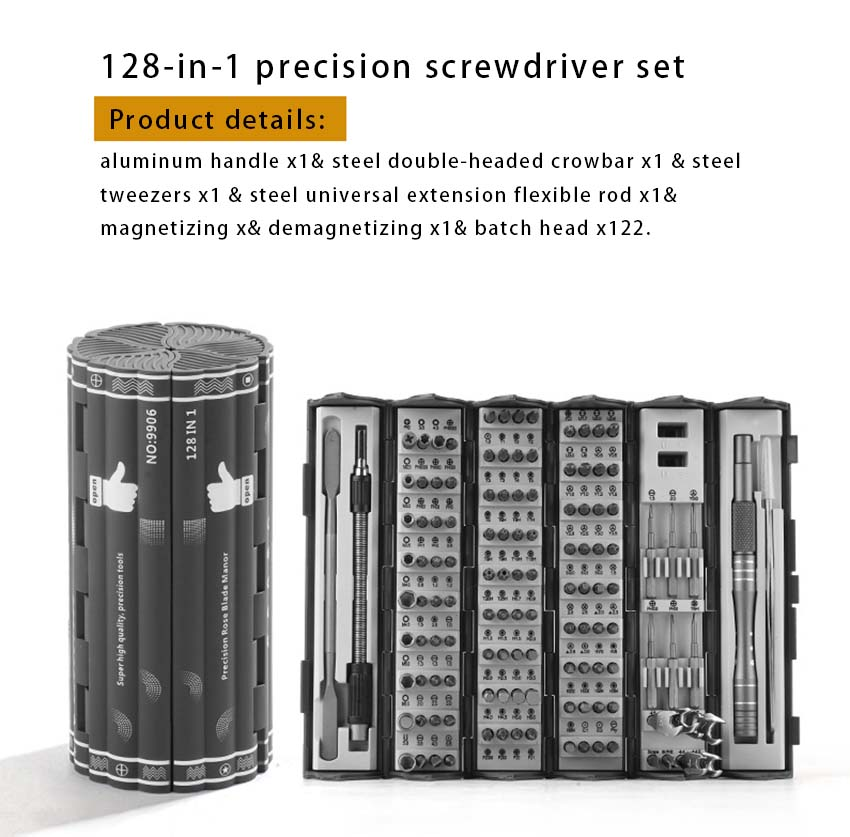
Market Drivers: Efficiency, Safety, and Vertical-Specific Demand for Magnetic Screwdrivers
How magnetic retention cuts assembly time by up to 22% in field service and industrial maintenance
The use of magnetic retention speeds up assembly work in industries where demand runs high, such as car factories and electronic device manufacturing plants. Workers don't have to keep adjusting those pesky fasteners manually anymore. According to some recent industry research from last year, tasks take around 22 percent less time overall. This makes all the difference when installing panels on ceilings or doing repairs in tight spaces where workers need to maintain their workflow without constant interruptions. Factories see the biggest gains here, getting more done throughout the day while still keeping things accurate. The magnets let them move faster without compromising on quality standards that customers expect.
Reduced safety risks: fewer dropped fasteners in elevated, confined, or overhead work environments
When working at heights, inside tight spaces, or above ground level like on telecom towers or fixing conveyor systems, dropped metal fasteners become real safety issues. These falling objects account for many workplace injuries according to OSHA data. Magnetic retention systems cut down on these accidents by around 40% during overhead drilling tasks. They also save time when retrieving lost parts in dangerous confined areas, which means workers stay safer and projects don't get delayed. Because of this, more construction firms and manufacturing plants are now including magnetic tools in their official safety guidelines. Some companies have even reported significant reductions in insurance claims after implementing these magnetic solutions across their operations.
Product Differentiation: Key Features That Define Competitive Magnetic Screwdriver Sets
Torque-tested magnetic tips, dual-polarity shafts, and scalable OEM/ODM support in wholesale-tier sets
Magnetic screwdrivers built for industrial work have tips that can take on about 15 Nm of twisting power before losing their magnetism, which stops them from slipping when tightening components in electronics and car manufacturing. The dual polarity shaft is pretty handy too since it lets techs flip between pulling screws in and pushing them out, making life easier when working in cramped spaces or complicated builds. Wholesalers benefit from OEM and ODM arrangements that let them tweak things like how comfortable the handles feel, what bits come included, and even add their own logo. These customizations cut down on how often tools need replacing on assembly lines, with some factories reporting around a 40% improvement over regular magnetic drivers based on actual shop floor experience rather than just theoretical numbers.
Material and magnetization trade-offs: nickel-plated shanks vs. ferrite-core depth for mid-tier reliability
Magnetic screwdrivers in the mid price range strike a good compromise between resisting corrosion and maintaining their magnetic strength these are actually the two main things that determine how long they last and what jobs they can handle. When screws have nickel plating on them, they stand up really well against rust which makes them great for places like boats, pipes, or anywhere there's lots of moisture around. But here's the catch those nickel coatings tend to cut down on magnetic power by about thirty percent. On the flip side, ferrite core shafts without any coating hold onto screws much better making them perfect for working on ceilings or electrical panels where gravity works against you. Just need to keep those uncoated ones somewhere dry though or they'll start to oxidize over time. And this balancing act isn't just about magnets and rust it also affects how tough the tools are when dropped and how many years they'll keep performing before needing replacement.
| Feature | Nickel-Plated Shanks | Ferrite-Core Shanks |
|---|---|---|
| Corrosion Resistance | High (salt/humidity tolerant) | Moderate (requires dry storage) |
| Magnetic Strength | 70% of ferrite-core rating | Optimal fastener retention |
| Impact Resistance | Withstands 3 times more drops | Brittle under lateral stress |
Durability testing confirms nickel-plated variants retain 95% magnetization after 50,000 insertions, while ferrite cores maintain 100% magnetic efficiency at half that cycle count; making material selection essential for wholesalers targeting specific trade verticals.
Distribution Trends: Adoption Growth and Channel-Specific Demand for Magnetic Screwdrivers
The market for magnetic screwdrivers is growing fast in hardware wholesale circles, driven by different buying habits between physical stores and online platforms. Traditional brick-and-mortar locations like hardware shops, industrial supply houses, and specialty tool dealers still handle around 60% of all wholesale sales. These real-world outlets give professionals working on construction sites or maintenance crews a chance to test how well the magnets hold screws, check if the tips will last through tough jobs, and get a feel for whether the tool fits comfortably in hand before making a purchase decision. On the flip side, business-to-business websites are gaining ground quickly, expected to grow at about 18% per year until 2027 according to recent forecasts. Facility managers tend to buy standard magnetic sets repeatedly from these online sources when they need to restock inventory in bulk quantities. Smart wholesalers now stock high quality magnetic kits at their physical stores for expert customers while also creating budget friendly multi packs specifically for online ordering systems. This approach makes sense given actual purchasing trends where most critical tools still come from traditional channels (around 73%), though digital platforms are becoming go-to spots for replacing worn out bits and other consumable items.
Strategic Outlook: Future-Proofing Wholesale Portfolios with Magnetic Screwdriver SKUs
Aligning with MRO and Contractor Demand Shifts—Data-Backed Growth (37% YoY SKU Growth, ThomasNet 2023)
The MRO sector is seeing a big boost in demand right now, and magnetic screwdrivers have become something of a holy grail for many operations looking to cut down on fastener retrieval times. Some studies indicate these specialized tools can save as much as 22% in those crucial workflow moments. Looking at the numbers from ThomasNet back in 2023, we see a pretty impressive 37% jump in SKU adoption year over year. This tells us that industries across the board are gravitating towards equipment that not only speeds things up but also keeps workers safer during their daily tasks. For distributors out there, expanding product range makes sense, but it's equally important to stay grounded in what actually works on factory floors. Pay close attention to details like torque ratings on tips and how well plating holds up against corrosion these days. After all, nobody wants tools that look good on paper but fall apart when put through real industrial conditions.
Balancing Margin, Durability, and Compliance: What Buyers Prioritize in Magnetic Screwdriver Procurement
Procurement specialists evaluate magnetic screwdrivers through three core criteria:
- Total cost of ownership, weighing replacement frequency against upfront material investment
- Drop-test performance, particularly in elevated or confined workspaces
- Material compliance, including non-sparking alloys for hazardous environments
Top-performing wholesalers avoid low-margin commoditization by aligning stock with these priorities—and ensuring adherence to OSHA and ANSI standards. Nickel-plated shanks dominate mid-tier selections not only for their balanced corrosion resistance and magnetization retention, but also for their proven field durability across diverse trade applications.
FAQ
What are the benefits of using magnetic screwdrivers?
Magnetic screwdrivers offer benefits such as reducing assembly time by up to 22%, minimizing safety risks by preventing dropped fasteners, and being able to handle specific industrial demands effectively.
How does magnetic retention improve safety?
Magnetic retention helps reduce the risk of workplace injuries by preventing metal fasteners from dropping during tasks performed in elevated or confined spaces.
What are the differences between nickel-plated shanks and ferrite-core shanks?
Nickel-plated shanks offer high corrosion resistance but moderate magnetic strength, while ferrite-core shanks provide optimal magnetic retention but require dry storage.
How is the demand for magnetic screwdrivers changing?
The demand for magnetic screwdrivers is increasing, especially in the MRO sector, with a 37% year-over-year growth observed. Online platforms also show significant growth in sales.
Table of Contents
- Market Drivers: Efficiency, Safety, and Vertical-Specific Demand for Magnetic Screwdrivers
- Product Differentiation: Key Features That Define Competitive Magnetic Screwdriver Sets
- Distribution Trends: Adoption Growth and Channel-Specific Demand for Magnetic Screwdrivers
- Strategic Outlook: Future-Proofing Wholesale Portfolios with Magnetic Screwdriver SKUs
- FAQ