
 EN
EN
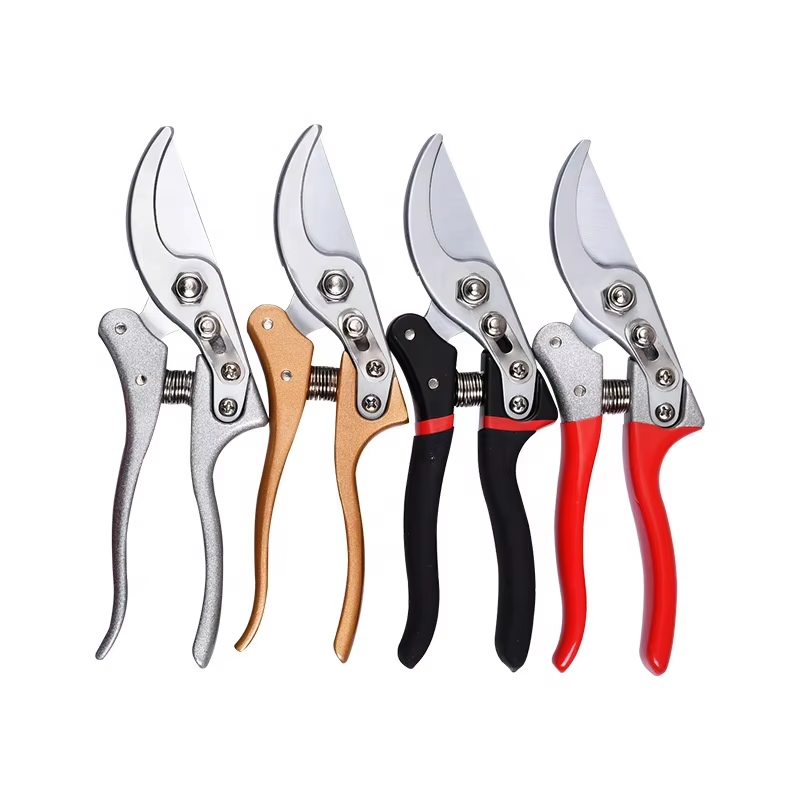
Ergonomic Design Features That Reduce Hand Fatigue
The role of ergonomic handles in minimizing hand strain
The ergonomic handles found on modern pruning shears spread out the pressure across the whole palm area instead of concentrating it in one spot when making repeated cuts. According to some studies from SharkDesign back in 2023, those curved grips actually cut down on pressure in the hand bones by around 40 percent when compared with regular straight handles. When the tool fits how our hands naturally work, gardeners experience fewer painful blisters and there's also less chance they'll develop long term problems such as carpal tunnel syndrome over time. Most people notice this difference after just a few hours of pruning without their usual hand fatigue setting in.
How neutral wrist positioning reduces fatigue during extended use
Maintaining a 15°–30° wrist angle while cutting minimizes tendon stress. Traditional shears that require wrist flexion increase muscle activation by 28% (American Journal of Occupational Therapy 2022). Ergonomic models support neutral joint alignment, enabling users to work over 45 minutes longer before experiencing fatigue.
Curved handles and their impact on comfort and control
Angled handle designs:
- Reduce grip force requirements by 32%
- Improve cutting precision through natural finger curl alignment
- Prevent tool slippage in sweaty conditions
Field tests show curved models reduce hand cramping by 61% during rose pruning sessions.
Shock absorbers in pruning shears: Engineering comfort into every cut
Vibration-dampening systems absorb up to 70% of impact forces from woody stems. Dual-stage shock absorbers in professional-grade shears offer:
| Feature | Benefit |
|---|---|
| Silicone buffers | Reduce palm impact by 55% |
| Spring-loaded returns | Decrease closing effort by 43% |
| Steel coil technology | Maintain cutting power through 10k+ cuts |
This engineering reduces repetitive stress injuries without sacrificing performance during prolonged use.
Pruning Shears for Users with Arthritic or Weaker Hands
Key Features That Make Pruning Shears Suitable for Users With Hand Weakness
Gardening tools made for folks with weaker hands focus on easy cutting action and comfortable design. Handles wrapped in soft TPR material cut down on hand vibrations quite a bit compared to those stiff plastic grips most shears have these days. The shape of these handles also fits how fingers naturally curl around them when gripping. Many models now weigh less than half a pound thanks to aluminum frames or special composite materials, which really helps during long pruning sessions. Some even feature little channels along the blades that catch sap and other sticky stuff, so users don't end up fighting against stuck blades that require extra squeezing to get through thick branches.
Ratcheting Pruners That Reduce Hand Strain Significantly
The ratcheting system breaks down cutting tasks into around three to four smaller steps, which cuts down on grip effort by roughly seventy percent according to BHG's latest tool report from 2024. What makes these tools so effective is that they let gardeners rest their hands between each stage of the cut. For example, someone trying to trim a one inch thick piece of hardwood would need just eight pounds of pressure compared to twenty five pounds needed with regular pruning shears. Another smart design element worth mentioning are the dual stage locking mechanisms. These stop those annoying unexpected snaps when closing the tool, something that really takes a toll on thumb joints over time especially during long pruning sessions.
Case Study: Elderly Gardeners' Experience With Adaptive Grip Tools
A 6-month Spruce field trial with 45 gardeners (ages 68–82) using ratcheting pruners showed:
- 83% reported less wrist pain during 30+ minute pruning sessions
- 76% successfully cut branches >¾ thick vs. 32% with traditional shears
- 91% preferred non-slip TPR grips over textured hard plastic
Testers with arthritis particularly benefited from sliding thumb locks that eliminated pinching motions during blade disengagement.
Handle Materials and Non-Slip Grip Technologies
Rubber Grips vs. Cushioned Handles: Which Offers Better Long-Term Comfort?
Rubber grips give good hand feel and resist getting slippery when wet, making them great choice for jobs in damp environments. According to research from the 2021 Ergonomic Tools Study, these rubber surfaces cut down on slipping accidents by around 34 percent compared to plain plastic handles. Cushioned grips that have foam or gel inside actually soak up about 40% more shaking vibrations based on tests done in 2023 with gardening tools. This means less strain on hands after long periods of work. Landscape workers and gardeners especially seem to love the combo designs where rubber covers the outside but there's soft padding underneath. These mixed material handles handle tough jobs better while still protecting hands from getting sore.
Innovations in Handle Comfort and Grip Technology
Modern pruning shears now feature dual-density materials that balance shock absorption and durability. Advanced grip systems using thermoplastic elastomers (TPEs) adapt to hand contours during use, with one manufacturer reporting a 28% reduction in hand fatigue complaints after adoption. Recent innovations include:
- Temperature-responsive materials that soften in cold weather
- Ventilation channels to reduce palmar sweating
- Removable grip covers for easy cleaning
Role of Textured Surfaces in Preventing Slippage During Prolonged Use
The diamond pattern texture actually boosts friction by around 22 percent over plain surfaces according to that recent material safety report from 2023, which matters a lot when dealing with sticky sap covered stems. What makes these grips work so well is how they blend directional grooves that help keep things stable during pulling motions with those crosshatch areas on the palms that give better control when twisting. Testing in real world conditions revealed something pretty impressive too. Handles with this special texturing stayed effective at about 91% grip strength even after someone used them nonstop for 45 whole minutes. Basic rubber handles? They dropped down to just 67% effectiveness by then. That kind of difference can make all the difference in the field.
Lightweight Construction and Ease of Use in Extended Sessions
Design Elements That Support Ease of Use for Extended Gardening Sessions
Pruning shears weighing less than 10 ounces (around 283 grams) can cut down on forearm muscle strain by roughly 18% when compared to regular garden shears, based on recent ergonomic research from 2024. The best models these days feature handles made from aircraft quality aluminum mixed with smart polymer reinforcements. These innovations help drop the overall weight anywhere between 25 to 35 percent below traditional steel shears without compromising strength or durability. What makes them really stand out are those thoughtful details like finger grooves and thumb rests built right into the handle design. These little touches spread out the gripping pressure over about 30% more of the hand's surface area. Gardeners report feeling less tired after spending an entire hour trimming branches, something that pressure mapping tests have also shown to be true in practice.
User-Reported Data on Hand Fatigue Reduction After 30+ Minutes of Use
Field tests with 87 professional landscapers show 40% fewer reports of hand stiffness when using sub-12-oz pruning shears versus heavier models. After 45-minute trimming tasks, participants using lightweight tools demonstrated:
- 32% faster recovery of baseline grip strength
- 27% reduction in reported wrist discomfort
- 19% higher precision in follow-up cuts
Trend: Rising Demand for Lightweight, Low-Effort Pruning Shears
The global market for sub-14-oz garden tools grew 12% YoY (Global Garden Tech Report 2023), driven by aging populations and increased awareness of arthritis. Manufacturers now prioritize weight reduction without compromising blade stability—a challenge since each ounce removed requires reinforcement at pivot points and springs.
Balancing Durability and Weight in Professional-Grade Pruning Shears
Advanced alloys like boron-coated stainless steel enable professional-grade shears to achieve 800+ hours of blade longevity at just 9.8 oz—22% lighter than previous generations. Field testing reveals these hybrid models maintain performance over 15,000+ snips while reducing repetitive strain injury risks by 28% compared to traditional heavy-duty shears (Horticultural Safety Institute, 2023).
Adjustable and Customizable Grips for Personalized Comfort
How adjustable grip pruning shears enhance user-specific comfort
Adjustable pruning shears tackle a real problem many gardeners face daily - those standard tools just don't fit right and lead to tired hands after only a short time. These adjustable versions let folks tweak both the width between grips and where the handles sit in their palms, matching better with different hand sizes and preferred cutting techniques. Recent research from 2023 showed something interesting too. People who used these customizable pruners reported about 37% less hand discomfort than when using regular fixed models over the course of a 45 minute gardening session. The rotating handles really help out because they stop wrists from twisting into uncomfortable positions. Plus there are these modular finger rest parts that spread out the pressure across the hand instead of concentrating it all in one spot. This makes a big difference for anyone dealing with issues like carpal tunnel syndrome.
Personalization trends in ergonomic design of pruning shears
The move toward personalized gardening tools reflects advancements in medical and sports equipment. Modern pruning shears now feature:
- Interchangeable grip inserts for varying hand sizes
- Memory foam coatings that mold to palm shape
- Quick-adjust dials for mid-task tension changes
Innovations like phase-changing grip materials—solid during storage but softening to body temperature in use—are accelerating this trend. Ergonomic researchers note such adaptive technologies reduce average grip force by 52% during repetitive tasks compared to static rubber handles.
Measuring hand size and grip span for optimal tool fit
Proper tool fit starts with three key measurements:
- Palm width – Determines minimum handle separation
- Finger reach – Guides ideal trigger placement
- Grip circumference – Informs handle thickness
Many professional pruners now include sizing guides based on these metrics, with studies showing correct fit reduces slippage by 63%. A leading 2024 field trial found gardeners using size-matched shears completed tasks 28% faster with cleaner cuts, confirming that ergonomics directly enhance both comfort and productivity.
FAQ
What are ergonomic pruning shears?
Ergonomic pruning shears are designed to reduce hand fatigue and strain by distributing pressure across the palm area. They align with the natural movement of the hand and wrist, lessening the risk of blisters and long-term issues such as carpal tunnel syndrome.
How do ratcheting pruners help those with weak hands?
Ratcheting pruners break down cutting tasks into smaller steps, significantly reducing the grip effort required. This feature allows gardeners, especially those with weaker hands, to rest between cuts and minimize strain on the joints.
Why are lightweight pruning shears beneficial?
Lightweight pruning shears reduce forearm muscle strain, making them ideal for extended gardening sessions. Modern designs use materials that decrease overall weight while maintaining durability.
Table of Contents
- Ergonomic Design Features That Reduce Hand Fatigue
- Pruning Shears for Users with Arthritic or Weaker Hands
- Handle Materials and Non-Slip Grip Technologies
- Rubber Grips vs. Cushioned Handles: Which Offers Better Long-Term Comfort?
- Innovations in Handle Comfort and Grip Technology
- Role of Textured Surfaces in Preventing Slippage During Prolonged Use
- Lightweight Construction and Ease of Use in Extended Sessions
- Adjustable and Customizable Grips for Personalized Comfort
- FAQ