
 EN
EN
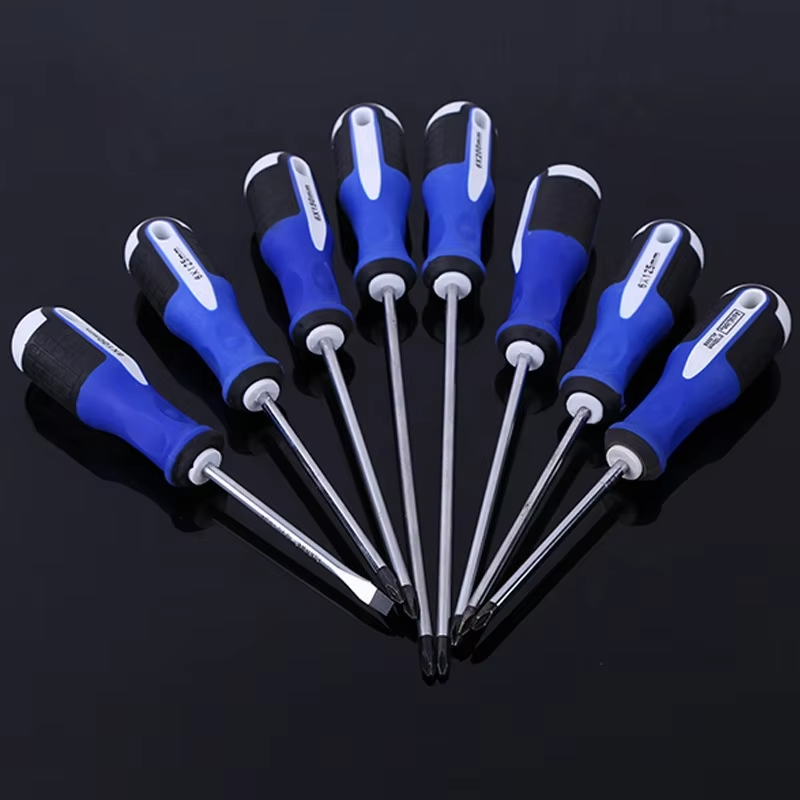
Core Screwdriver Types Every Home DIYer Needs
Phillips, Flathead, Torx, and Hex: Matching Common Household Screws
Most home DIY projects rely on four main types of screwdrivers. Phillips screws, those cross-shaped ones we all know, work for almost everything these days from furniture to appliances and electronics, especially the common #2 size that seems to be everywhere. Flatheads still come in handy for older stuff though, like when dealing with old light switches, outlet covers, or hinges on antique cabinets. Torx drivers with their distinctive star tips handle tough jobs better without stripping out, which matters a lot when working on decks, car interiors, or that tricky flat pack furniture with security screws. Then there's the hex or Allen wrench type, absolutely necessary for bikes, assembling IKEA furniture, and cabinetry work where those little hexagonal holes are built right into the design. Getting the right tool for each job isn't just about convenience it actually saves money in the long run by avoiding damaged screws and scratched surfaces around the house.
Why Phillips #2 and 3-6mm Flathead Are the True Workhorses of Home Repairs
According to the DIY Tool Efficiency Study released in 2023, Phillips #2 and those 3 to 6mm flathead screwdrivers tackle around 70% of all home repair jobs. The #2 model works great for things like drywall screws, cabinet hinges, and appliance panels thanks to its tapered cross shape that prevents slipping. Meanwhile, the smaller 3 to 6mm flatheads get the job done when dealing with outlet covers, light switch plates, and various door hardware components. Why do these sizes dominate? Well, there are basically three reasons behind their popularity:
- Compatibility: Universally adopted across manufacturers and product categories
- Accessibility: Included in over 90% of entry-level DIY toolkits
-
Repair Range: From loose doorknobs and wobbly shelves to refrigerator panels and ceiling fan mounts
These sizes deliver the optimal balance of torque capacity, precision, and adaptability—making them more practical than specialized or oversized drivers for everyday fixes.
Task-Based Screwdriver Selection for Real Home Projects
Furniture Assembly and Appliance Maintenance: Where Ratcheting and Multi-Bit Screwdrivers Shine
When putting together furniture or fixing appliances around the house, getting a good ratcheting multi-bit screwdriver makes all the difference. The ratcheting feature means we can keep turning without having to stop and reposition constantly, which is super handy when working in those awkward spots behind the dishwasher or fridge. Most come with built-in storage for about half a dozen bits usually, so switching between Phillips, Torx, and hex heads takes seconds instead of minutes. People who regularly tackle DIY projects report cutting their time down by roughly 40% compared to using separate screwdrivers for each job. Look for ones with magnets on the bit holder to catch those pesky dropped screws, handles shaped comfortably in the hand to avoid sore fingers after long sessions, and strong torque settings for really stubborn bolts. The folks at Popular Mechanics mentioned something similar in their latest tool review, pointing out how these combo drivers save so much back-and-forth switching between different tools during complicated builds.
Electronics, Fixtures, and Tight-Space Repairs: Precision Flathead and Mini-Torx Applications
When working on delicate jobs, what matters most isn't brute force but careful control. The right tool for the job would be something like a 1 to 3 mm precision flathead screwdriver. These little guys get the job done when taking off outlet covers or those light switch plates without leaving unsightly marks on drywall or messing up plastic frames around them. Mini Torx drivers come into play too, especially sizes T5 through T10, when dealing with electronics stuff, cabinet fittings, or tiny appliance parts. They fit those security screws just right so there's no chance of rounding them out during removal. People find these tools indispensable for all sorts of situations where standard screwdrivers simply won't cut it because they're either too big or not precise enough for the task at hand.
| Task | Recommended Tool | Key Benefit |
|---|---|---|
| Smartphone disassembly | 0.8mm precision Phillips | Prevents circuit board damage |
| Bathroom fixture repair | 4-inch stubby flathead | Fits behind sink basins |
| Toy battery replacement | Anti-static Torx T6 driver | Avoids electrostatic discharge |
As Wirecutter's precision tool analysis confirms, using undersized or ill-fitting drivers causes nearly 80% of stripped screw incidents in DIY repairs-underscoring the importance of precise size matching.
Choosing the Right Screwdriver Set: Durability, Ergonomics, and Value
When picking out a screwdriver set for around the house, there are really just three things that matter most: how long they'll last, whether they're comfortable to hold, and if they represent good money spent. Look for tools made from chrome vanadium steel because this stuff stands up better to rust and keeps those tips from getting messed up after lots of use. People who did testing found these actually cut down on stripped screws by about 50% in regular home projects according to some report from 2024 called Tool Durability something. Comfort matters too. Handles shaped with three lobes and covered in rubber grip stuff make a big difference when working for hours at a time. Most folks complain about sore hands or blisters as their main problem when using cheap tools. For getting your money's worth, go with smaller sets containing 6 to 10 pieces that cover the basics everyone needs anyway. We're talking about #2 Phillips, flatheads between 3 and 6mm, Torx T10 and T15, plus hex bits in 4mm and 5mm sizes. Skip those massive kits packed with bits nobody ever uses. These well picked collections tend to stick around for years without breaking down like the cheaper ones that bend easily, chip off bits, or just give up entirely way too soon.
Frequently Asked Questions
What are the essential types of screwdrivers for home DIY projects?
The essential types of screwdrivers for home DIY projects include Phillips, Flathead, Torx, and Hex screwdrivers. Each is suited to specific tasks around the house.
Why are Phillips #2 and 3-6mm Flathead screwdrivers so popular?
Phillips #2 and 3-6mm Flathead screwdrivers are popular due to their compatibility across various manufacturers, accessibility in toolkits, and wide range of repair applications.
What should I consider when choosing a screwdriver set?
When choosing a screwdriver set, focus on durability, ergonomics, and value. Look for sets made from chrome vanadium steel, with comfortable handles, and containing essential bits that address everyday needs.