
 EN
EN
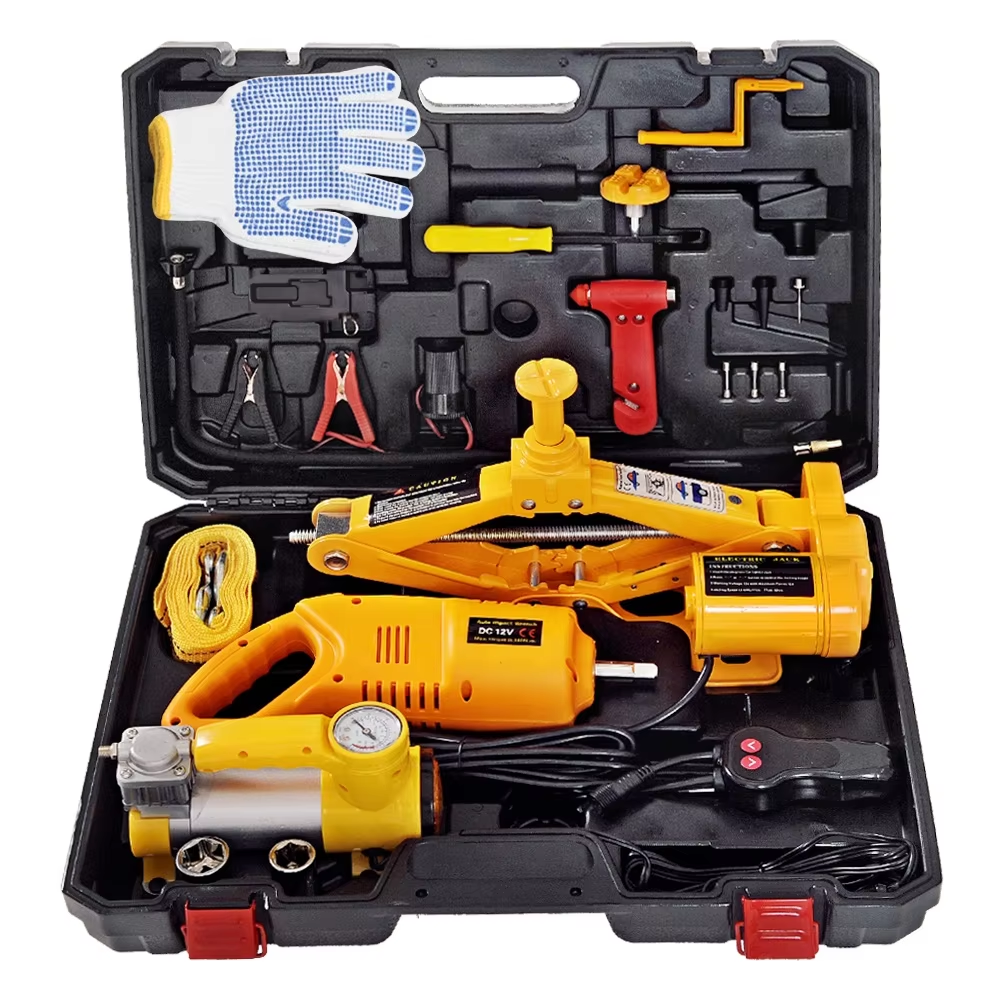
מנגנה להרמת רכבים מאושרת: הסבר על תקנות ANSI/ALI ו-ASME/PASE
ALI ALCTV לעומת ALOIM: מה משמעויות ההסמכות השונות עבור מנגנים הידראוליים לרצפה
האשראת ANSI/ALI ALCTV פירושה בגדול שמדרגות הידראוליות אלו עברו מבחנים קשיחים למדי במישור העיצוב, הבנייה והחוזק המבני הכולל שלהן. אחד המרכיבים המרכזיים באישור זה הוא עיבודן של המדרגות במבחני עומס יתר בגובה של 150% מהקיבולת המוצהרת שלהן. כאשר על ציוד מסוים מופיע סימן האישור הזה, מומחים עצמאיים בוחנים את יכולתו לעמוד במתח כבד ללא קריסה או כשל מלא. סוג זה של מבחנים הוא בעל חשיבות רבה, משום שאף אחד לא רוצה שמדרגה תקרוס מתחת לרכב או למטעון במהלך פעולות תחזוקה. מצד שני, קיימת גם האישור ANSI/ALI ALOIM, אשר בוחן את רמת הביצועים של כלים אלו לאורך זמן. אישור זה דורשת מחנויות לבצע בדיקות שנתיות קבועות, לבדוק את הלחצנות למציאת סדקים או חולשות, ולבחון את פעילות מערכות ההידראוליקה לאחר חודשים של שימוש. לפיכך, בעוד ש-ALCTV מבטיח את האיכות הגבוהה של המדרגות כבר מהיום הראשון, ALOIM ממשיך לשמור על הבטיחות בסביבות גראז' אמיתיות, שבהן הציוד נמצא בשימוש יומיומי.
דרישות ASME PASE-2014 לעמדות הרמה לרכב: בדיקת עומס ותקינות מבנית
תקן ה-ASME PASE-2014 מתיר באופן ספציפי את התקנים לתמיכה משנית, כגון עמדות הרמה — ולא מעלות — ודורש בדיקת עומס הרסנית ב- 3× הקיבולת המרומזת , מה שמעל במידה ניכרת את שיעור הבטיחות של 1.5× הנדרש לציוד הרמה עיקרי. למשל, עמודה בעלת קיבולת של 3 טון חייבת לשאת 9 טון ללא התעקלות או עיוות. דרישות מבניות עיקריות כוללות:
| דרישה | שיטת בדיקה | השפעה על הבטחה |
|---|---|---|
| שלמות הלחיצות בבסיס | בדיקה באמצעות חומר חודר צבעוני (Dye Penetrant Inspection) | מונעת הפרדה פתאומית של הרגליים |
| חוזק מנגנון הנעילה | סימולציה של 100,000 מחזורים | מבטיחה אמינות של המנעל |
| עובי חומר | מדידת אולטרה-סאונד | מונע תופעות כשל עקב עייפות מתכת |
התקן PASE-2014 אוסר גם על חומרים בעלי נמיכות של פחות מ-5% (כדי לבלום את הפגיעה) ודורש מסבים כפולים לנעילת המניע. מפעלים הממלאים את התקן הזה מפחיתים את הסיכון לתאונות הקשורות למניע ב-38%, לפי ביקורות הבטיחות התעשייתיות משנת 2022.
קיבולת מניע רכב, עמידות במישקל ותאימות לרכב
התאמת קיבולת מניע הרכב לרכב המודרני: EV, SUV ומשאיות כבדות
המשקל של כלי רכב מודרניים גורם לנו לחשוב פעמיים באילו מגבים להשתמש. מכוניות חשמליות נוטות לשקול בהרבה יותר מ-6,000 פאונד בגלל אוגרי הסוללות העצומים שלהן. קחו לדוגמה את ה-Hummer EV — הוא למעשה עובר את סימן ה-9,000 פאונד. SUVים בינוניי-גודל מגיעים בדרך כלל לערך של כ-4,500 פאונד, עם סטייה קטנה לכאן או לכאן, אך משאיות גדולות יכולות להגיע בקלות ל-7,000 פאונד כאשר הן עמוסות במלואן. לפי הנחיה הבטיחותית התקנית הממליצה על קיבולת עומס סטטי של לפחות 1.5 פעמים מהמשקל המרבי, אדם שעוסק בתיקון משאית ששוקלת 7,000 פאונד יזדקק למגבה המסוגל לתמוך ב-10.5 טון לפחות. ובואו נודה בזה: ניסיון להסתפק במוצרים זולים יותר שאינם עומדים בדרישות האלה הוא הזמנה לבעיות — בין אם בשל קריסה מבנית ובין אם בשל תקלות במערכת ההידראולית בעתיד.
כלל העומס הסטטי של 1.5×: למה הוא בלתי מתפשר לשימוש מקצועי במגבים לרכב
כשמדברים על הרמת רכב בטוחה, קיימת כלל בסיסי שנקרא דרישה לטעינה סטטית של 1.5x. במילים פשוטות, כל ג'ק המשמש חייב להכיל לפחות 150% ממשקל הרכב בפועל. למה? משום שביצוע עבודות על רכבים בעולם האמיתי אינו תמיד מושלם. ייתכן שהמשקל יתפזר באופן לא אחיד על הג'ק, רעידות מהמכונות הסמוכות עלולות להשפיע על היציבות, ואפילו טעויות קטנות עלולות להתרחש במהלך ההתקנה. ניקח לדוגמה SUV ממוצע שמשקלו 5,000 פאונד: טכנאיים צריכים ציוד המסוגל לתמוך במשקל של כ-7,500 פאונד, לפחות. מוסכים שמדלגים על שלב חשוב זה מציבים את עצמם במצב מסוכן ביותר. בדיקות בטיחות מראות כי חיסכון בצעד זה מגביר פי כמעט שלושה את הסיכון לכישלון קטסטרופלי. ואל נ забывать גם את תקנות ה-OSHA. שימוש בג'קים שאינם עומדים בדרישות האלה איננו רק פרקטיקה לקויה — אלא עבירה על החוק עבור כל מי שמנהלים עסק תיקונים לגיטימי.
מאפיינים מבניים ובטיחותיים קריטיים של ג'ק מקצועי לרכב
מגבות לרכב שנועדו למקצוענים מעוצבים כך שלא ייכשלו כאשר מודחקים עד לגבולותיהם. מה גורם להם לפעול כה טוב? ראשית, המסגרות עשויות מפלדת עמידה עם קירות בקוטר של 6–10 מ"מ, מה שמנע את עיוותן תחת לחץ. הלחיצה מתבצעת באופן רציף באזורים שבהם נוצר עומס, כדי למנוע דליפות הידראוליות מטרידות. ולאחר מכן יש את צורת הבסיס: ברוב המגבות הוא בצורת פירמידה עם שטח בסיס של כ-180 מילימטר רבוע או יותר, מה שנותן יציבות גם על משטחים לא חלקים. בטיחות אינה נושא שנחשב לאחר-משנה; מגבות אלו מצוידות בשסתומי הגנה מפני עומס יתר שמתפעלים כאשר המגביה מגיע ל-85% מהקיבולת המרבית שלה. כמו כן, קיימים שני סיכות נעילה דו-שלביות שמתפעלות אוטומטית במקרה של תקלה בעת הורדה. בנוסף, המערכת ההידראולית משחררת את הלחץ באיטיות, כדי למנוע נפילות מסוכנות. כל הרכיבים הללו משתלבים יחדיו ויוצרים ז-buffer בטיחותי, אשר מאפשר למגביה סטנדרטי של 3 טון לשאת בפועל 4.5 טון לפני שמופיעות סימנים כלשהם של נזק.
הפעלת גלגלת רכב בטוחה: נקודות הרמה, יציבות המשטח ותמיכה משנית חובה
מתי עמודי הרמה הינם חובה חוקית — ולמה הסתמכות בלעדית על גלגלת רכב היא מסוכנת
ברוב המקומות בארצות הברית קיימים חוקים המחייבים עובדים להשתמש במדפי גלגלים (jack stands) בעת ביצוע כל פעולה מתחת לרכב שנדגם. גם מדפי הגלגלים ההידראוליים המסחריים המתקדמים האלה? הם מיועדים רק להגבהת רכבים מהקרקע, לא להחזקתם לאורך זמן. כולנו ראינו מה קורה כשמדפים כאלה מתחילים לזרום נוזל הידראולי – כל המערכת צונחת לאט לאט עד שמישהו נפגע. ושוב, יש את המקרים שבהם משהו נשבר בתוך מנגנון המדף, מה שגורם לכולו ליפול לפתע. לכן כל חנות מקצועית תאמר למכניות שלה להשתמש תמיד במדפי גלגלים מאומתים על-פי הסטנדרטים ANSI/ALI או ASME PASE, הנמצאים ממש מתחת לחלקים החזקים ביותר של מסגרת הרכב. מדפי הגלגלים האלה נשארים במקום בזכות מערכות הנעילה שלהם והבסיסים הגדולים בצורת פירמידה, אשר מפזרים את המשקל בצורה מתאימה על פני המשטח שעליו הם עומדים. המכניקאים יודעים שהמערכת דו-שלבית הזו איננה רק עצה טובה. היא מוטבעת בקודים לביטחון באופן ספציפי כדי למנוע מוות או פציעות חמורות בעת עבודה על רכבים.
שאלה נפוצות
מה פירוש האישורים ANSI/ALI ALCTV ו-ALOIM?
אישור ANSI/ALI ALCTV מבטיח שמקלות הידראוליים לרצפה עברו בדיקות קפדניות של העיצוב והחוזק המבני, כולל בדיקות עומס יתר ב-150% מהקיבולת הנומינלית שלהם. אישור ANSI/ALI ALOIM מתמקד בתחזוקה ובביצוע ארוך טווח של הכלים, ודורש בדיקות ותאימות תקופתיות.
למה דרושים עמודי תמיכה גם כאשר משתמשים במקלות הידראוליים?
מקלות הידראוליים נועדו להרים רכב מעל הקרקע, אך לא להחזיק אותו לאורך זמן. עמודי התמיכה מספקים תמיכה יציבה, ומפחיתים את הסיכון לתאונות במקרה של כשל במקל.
מהו דרישה של עומס סטטי 1.5×?
זו כלל בטיחותי הקובע שמקל רכב חייב להחזיק לפחות 150% ממשקל הרכב, כדי להתחשב בהתפלגות לא אחידה של העומס ובעיות אפשריות אחרות במהלך ההרמה.