
 EN
EN
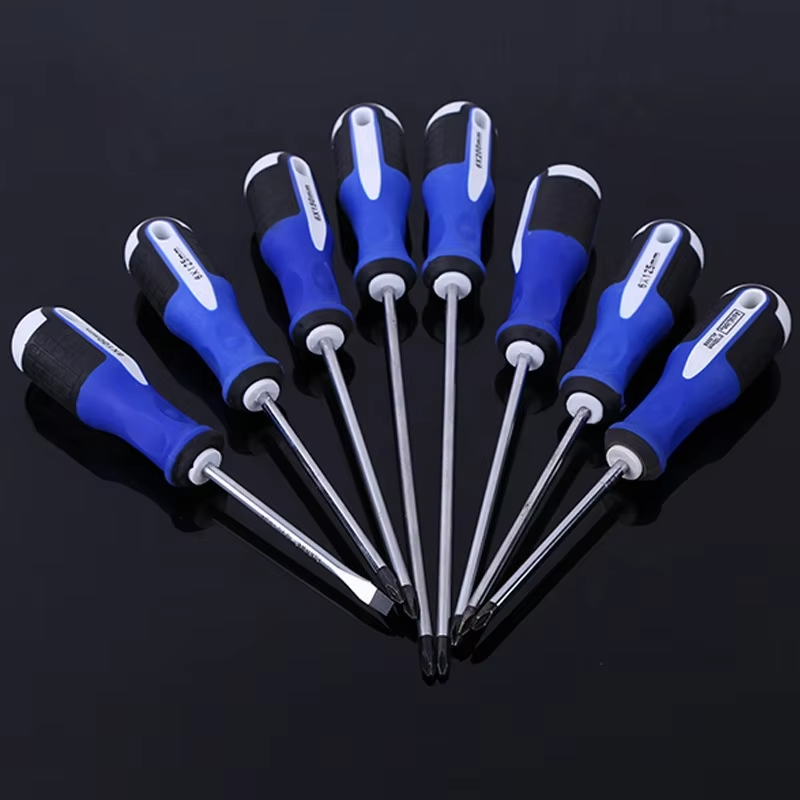
S2 Steel Screwdrivers: The Gold Standard for High-Torque Construction Use
Why S2 tool steel excels in framing, drywall, and impact-driver applications
S2 tool steel has become the go-to material for high torque construction tools because of how it balances different elements like carbon, silicon, chromium, molybdenum, and vanadium. This special mix gives the steel great shock absorption properties and makes it really resistant to those tiny cracks that can form during heavy use. When working with timber frames, carpenters find that their tips stay intact even when they're driving screws through tough, knot-filled wood. For drywall pros, the controlled way S2 handles twisting force means screws get seated properly without popping out (cam-out) or damaging the gypsum surface. What makes S2 stand out even more is how well it works with cordless impact drivers. The steel actually soaks up those fast vibrations that would wear down cheaper materials over time, which not only saves workers' hands from getting tired but keeps the tools looking good for longer. Contractors who've been tracking usage report something pretty impressive too: their S2 screwdrivers last about three times as long as regular chrome vanadium ones before needing replacement. That means fewer stops to change bits and less downtime on busy job sites where every minute counts.
Hardness (62 HRC) and fatigue resistance: What ISO 5749 torque testing reveals
S2’s consistent 62 HRC hardness—measured on the Rockwell C scale—is not just a number; it reflects engineered resistance to wear, deformation, and stress-induced failure. ISO 5749 standardized torque testing validates its real-world advantages:
| Test Parameter | S2 Performance | Industry Standard |
|---|---|---|
| Static Torque Limit | >100 N·m | 60–80 N·m |
| Cycle Fatigue (5 N·m) | 15,000+ rotations | <5,000 rotations |
| Tip Deformation | <0.1 mm after 10,000 cycles | >0.5 mm after 2,000 cycles |
The mix of hardness and fatigue resistance keeps the tip shape consistent through thousands upon thousands of drives, which matters a lot when working with tough fasteners in steel studs or concrete anchored framing situations. Tests have shown that S2 tools maintain around 95% of their initial hardness even after being used 50,000 times in impact drivers. This durability translates to roughly 40% savings on replacing tools during long term infrastructure work, making them a smart investment for contractors dealing with heavy duty applications day after day.
Cr-Mo and Cr-V Screwdrivers: Durable, Cost-Effective Alternatives for Daily Site Work
Lifespan comparison under vibration and repetitive torque: Cr-Mo vs. Cr-V in real-world framing crews
When it comes to choosing between Cr-Mo and Cr-V alloys, the decision really depends on what kind of work needs doing on site. The Cr-V stuff has this great springiness factor because of how vanadium works on the grain structure, which means it holds up better against those tiny cracks that form when tools get shaken around a lot, especially during jobs like installing drywall screws. On the flip side, Cr-Mo gets its strength from molybdenum, making these tools much tougher against twist damage when sinking big structural screws into solid wood frames. Field reports from construction crews indicate that Cr-Mo tools tend to stick around about 35 percent longer than their Cr-V counterparts when working with heavy timber, whereas Cr-V actually shows about 20% less wear in situations where there's constant vibration from metal studs. Bottom line? Pick the right alloy based on what the job actually requires, not just what looks cheaper upfront.
How phosphate black coating and induction-hardened tips extend screwdriver service life
The phosphate black coating creates a strong bond that stops corrosion from happening. It works really well against those tough conditions builders face every day. Think about wet concrete with its super high pH level of 13 lasting hundreds of hours, salty air near coasts, plus all that gritty dust from demolition sites. When combined with tips that have been induction hardened to around 62-64 HRC just at the point of contact, this two part protection system keeps tool tips from getting mushroom shaped when forces twist them out of alignment or during prying tasks. The edges stay sharp too even after taking repeated impacts. Contractors report these tools last about 18 months longer on average compared to standard ones, especially noticeable when switching back and forth between framing inside buildings and working outdoors on concrete projects where conditions vary so much.
Shaft & Tip Engineering: Why Structural Integrity Matters More Than Core Hardness Alone
Tensile strength and torsional resilience: Cr-MoN vs. stainless steel shafts in high-shock environments
Just having hard core material isn't enough for tools that need to survive brutal construction workloads. What really matters is how well the whole structure holds together. The Cr-MoN alloy shafts pack around 1,200 MPa of tensile strength which means these tools can take serious punishment without breaking down. They handle those sudden kicks from impact drivers and won't snap when someone tries to pry fixtures loose. Testing according to ASTM F1479 standards shows something interesting too. Even when stainless steel shafts look just as tough on the outside, they actually break at torque levels 30 to 40 percent lower than Cr-MoN. Why? Because their internal grain structure isn't as good and cracks spread faster through them. The way Cr-MoN is built at microscopic level helps spread out the stress so tiny fractures don't turn into big problems. Construction workers who frame high rises report that their Cr-MoN screwdrivers last about twice as long after falling off scaffolding before finally giving way compared with the stainless ones they used previously.
Protective Coatings That Maximize Screwdriver Longevity on Active Construction Sites
TiN, tin, and epoxy coatings: Corrosion resistance in wet concrete, salt-laden air, and abrasive dust (ASTM B117 data)
Construction tools face aggressive corrosion vectors—including alkaline concrete slurry, chloride-rich coastal atmospheres, and silica-laden abrasive dust. ASTM B117 salt-spray testing quantifies how protective coatings mitigate these threats:
- Titanium Nitride (TiN) combines extreme surface hardness (85+ HRC) with chemical inertness, resisting pitting in pH 13 concrete environments.
- Tin plating acts sacrificially via galvanic action, significantly delaying chloride-induced corrosion in marine or bridge-deck applications.
- Epoxy coatings form dense, impermeable barriers with superior abrasion resistance—critical when working with fiber-cement boards containing silica aggregate. Their molecular cross-linking maintains integrity after prolonged UV exposure, preventing electrolyte penetration even in harsh coastal conditions.
Properly applied epoxy formulations reduce corrosion-related replacements by 45% in steel-framing projects. For electrical contractors regularly exposed to concrete vapor and rebar contact, epoxy-coated shafts demonstrate triple the service life of uncoated or zinc-plated alternatives in accelerated corrosion testing simulating five years of site exposure.
FAQ
What makes S2 steel screwdrivers ideal for heavy-duty construction?
S2 steel screwdrivers are beneficial for heavy-duty construction due to their balanced composition of elements that offer exceptional shock absorption and resistance to tiny cracks. They handle vibrations effectively and maintain their quality even after extensive use.
How do Cr-Mo and Cr-V screwdrivers differ in wear resistance?
Cr-Mo screwdrivers are more resistant to twist damage, making them suitable for structural screw work in solid wood frames. Cr-V screwdrivers exhibit better resistance to wear in vibration-intensive tasks, like drywall installation.
What are the benefits of protective coatings on screwdrivers?
Protective coatings such as TiN, tin, and epoxy enhance screwdriver longevity by offering extreme hardness, delaying corrosion, and forming abrasion-resistant barriers crucial for various construction environments.
Table of Contents
- S2 Steel Screwdrivers: The Gold Standard for High-Torque Construction Use
- Cr-Mo and Cr-V Screwdrivers: Durable, Cost-Effective Alternatives for Daily Site Work
- Shaft & Tip Engineering: Why Structural Integrity Matters More Than Core Hardness Alone
- Protective Coatings That Maximize Screwdriver Longevity on Active Construction Sites
- FAQ